Saturday, November 24, 2018

The Importance of Self-Care

File:TaraStilesSteveShaw.jpg

I cannot keep track of how many times I have told former clients and students to practice self-care, as it is essential-- particularly in the middle of a busy semester and/or during other busy and/or triggering times in life.  Some of my personal favorites involve crossfit, yoga, living room dance parties-- with or without people (sometimes the best dances take place by myself), Wii Fit, Netflix, Amazon Prime, writing poetry, journaling, making art, making jewelry, prayer, meditation, listening to music that reflects how I am feeling (which is ironically effective), and discovering new parks, spaces and activities.  In addition, I have put together a short list of some of my favorite tips and resources for self-care below:

General self-care tips and resources:

https://www.rainn.org/articles/self-care-after-trauma

https://www.nsvrc.org/blogs/complexities-self-care-after-sexual-assault

For when the news is triggering (which seems to be often lately):

http://gomag.com/article/self-care-tips-for-sexual-assault-survivors-when-you-cant-escape-the-news/

https://www.talkspace.com/blog/2017/10/7-self-care-tips-for-sexual-assault-survivors/

https://www.nytimes.com/2018/09/28/style/self-care-sexual-assault-survivor-guide.html

When suicidal thoughts arise:

https://www.rainn.org/effects-sexual-violence


For loved ones:

https://www.nsvrc.org/blogs/what-puts-survivors-increased-risk-suicide-and-how-help

What Not To Say to Sexual Violence Survivors (And What Should be Said Instead)
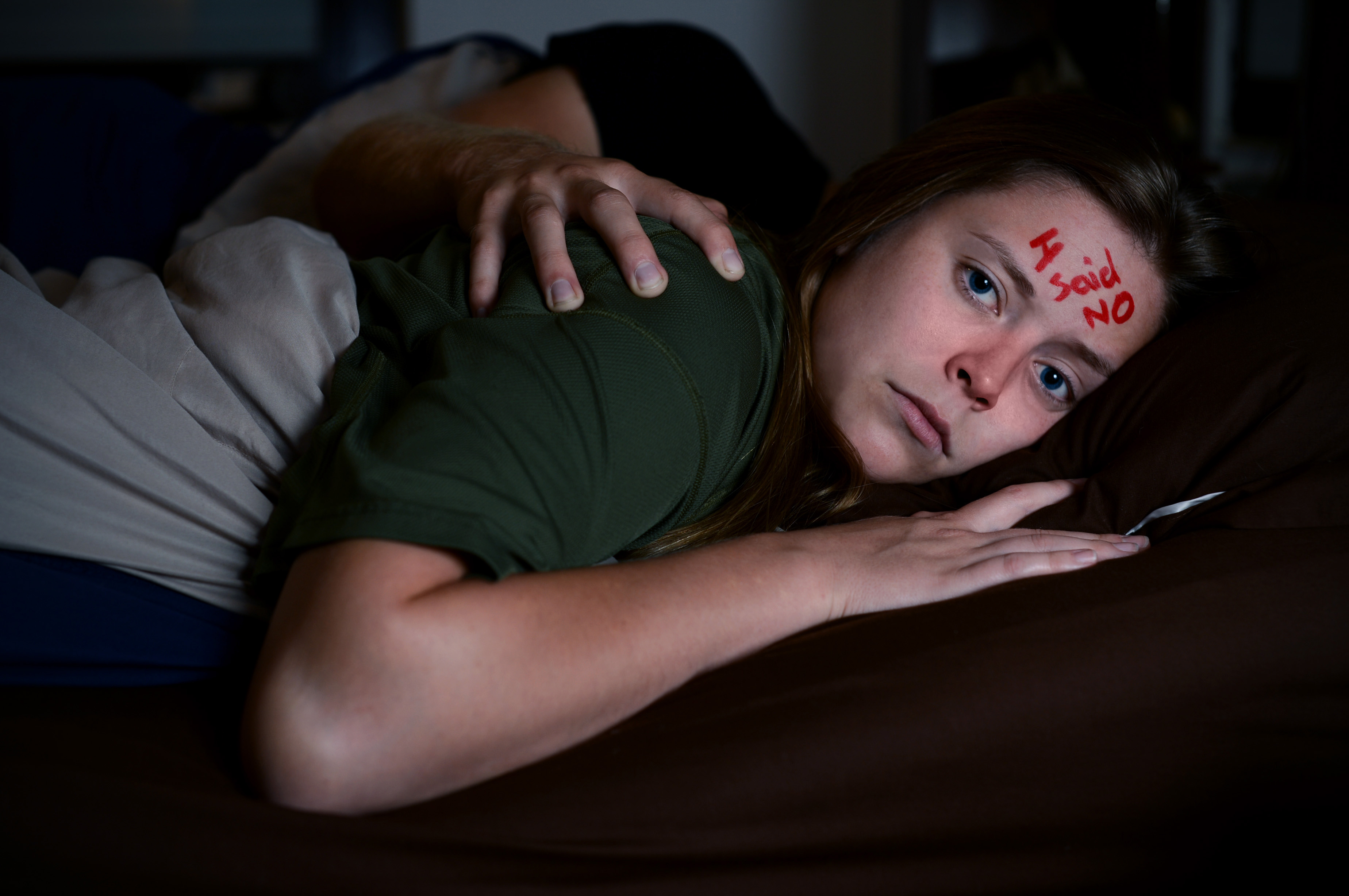
Image result for offensive to rape

In her guest post on Sarah Bessey's amazing blog, 21 Things that Shouldn't be Said to Sexual Abuse Victims, Mary DeMuth (2014) has taken a time to outline in clear and simple terms an extensive list of things that folks should avoid saying to sexual violence survivors.  I really appreciate her post, particularly as I think I have heard them all.  Her list include the following:

"One. That was so long ago, why can’t you just get over it?" (A past favorite in my family-- thanks for all of the empathy, by the way);

"Two. Are you sure it happened?" (Um yes-- but also a past favorite of family members and even close friends in the past-- I still do not entirely understand the logic behind this one-- no, I did not mistake this for something else or create new fun memories in my head, but thank you for your genuine concern);

"Three. If you talk about it so much, you’ll never heal." (aka, please stop talking about it, I can't handle hearing about it-- sorry, mom, but it has been much harder for me to live than it has been for you to hear about-- and you are a part of what happened to me, not merely by choosing the man who first raped me as your spouse, but also by not listening, empathizing or teaching me to believe in or stand up for myself);

"Four... What doesn’t kill you makes you stronger." (I believe this one is meant to be a compliment-- yet it's not; it is rationalizing what happened and trying to feel more comfortable with it while asking the victim or survivor-- or how they choose to identify-- as well);

"Five. I could never go through what you went through." (Cool-- why is it that this turns back to you, however?  You can simply call a person strong without making them feel unrelatable and alone);

"Six. That perpetrator must live with such awful regret." (That would be nice, wouldn't it?  I would also like a unicorn for Christmas this year, but I'm not holding my breath);

"Seven. That’s how men act. It’s normal." (Wasn't this what people said to excuse Kavanaugh as well?  Yikes.  While I had my doubts early on with no way of knowing any different and while sexual violence is more common than most people realize, I learned this is not normal at all);

"Eight. So and so forgave her abuser; it was easy." (My mom likes this one as well-- I also think some people have a different understanding of what forgiveness looks like than I do-- forgiveness does not mean inviting toxic people back into your life-- it means no longer hating them or wishing them any harm in general-- it can and often does involve praying for them or internally sending them well wishes when we think of them-- but you can still feel upset about what happened and what could and perhaps should have been instead-- not being harmed by them; in any case, it is from a lofty place that people think they have the right to drop hints about forgiving one's own rapist/s);

"Nine. It’s just sex." (Ugh... if only this were true, my life would be so much easier-- it was repeated emotional torture and what felt like emotional murder over and over again as well; take a look at how sexual violence impacts folks in the long term for further details on this);

"Ten. But was it full sexual abuse? He just leered? That’s it?" (I can't dignify this with even an internal response);

"Eleven. Was the perpetrator drunk? Were you?" (I smell victim blame and efforts to normalize sexual violence here);

"Twelve. Well, what were you wearing?" (this one is among the worst in my book-- I was wearing a sweater with a button down shirt underneath it and jeans during one of the most horrific times I was raped, by the way); but I digress-- DeMuth continues:

"Thirteen. Did you flirt? What did you expect?" (Hmm, not to get raped, as much as anyone else would expect); 

"Fourteen. Why didn’t you tell me before?" (One of my infamous responses: 'well, mom, because you didn't believe me nearly twenty years later so I strongly doubt you would have believed me then');

"Fifteen. Hmmm, but you look normal." (I'm sorry you do not see me as 'normal'-- I am incredibly strong if that is what you mean-- but not 'abnormal');

"Sixteen. Just stop thinking about it." (my mom used to use this one often, but has recently stopped after several requests over the years-- in short, I can't; it would be nice, but I can't-- please read up on PTSD sometime and also please stop asking me to make you feel more comfortable because you no longer want to hear about it-- this sends the message that you don't care);

"Seventeen. It could have been worse. (Insert worse sexual abuse story here)." (One upping and downplaying the experiences of others is never helpful-- and I knew this long before becoming a therapist, so I'm pretty sure this is common knowledge);

"Eighteen. Oh, I understand totally. (No, you don’t)." (I heard this one from a man who was completely out of touch with the situation-- and despised him for being so arrogant, dismissive and utterly incorrect);

"Nineteen. You sure you didn’t make this up to get attention?" (Wow-- and yep, I'm pretty sure I didn't make this up-- please refer to my response to number two on this list for further details);

"Twenty. Well, why didn’t you (insert thing you should have done here)?" (Mom loved this one as well for several years-- I don't know-- would you ask a Holocaust victim the same thing?  I would hope not, because that would be implying they are to blame, which is unspeakably painful, unfair and unhelpful) and

"Twenty-One. This was part of God’s plan, so you’ll have to make your peace with it" (DeMuth, 2014) (which is also awful-- people should never think it is their place to tell anyone to make peace with anything they themselves did not survive and thus do not fully understand).

Though a full list could never be fully covered, as new awful and unexpected remarks continue to come up as time moves forward, I would also add to DeMuth's list:

Twenty-Two. [Laughter] "I cannot believe someone could be raped so many times" (Yes, this came from someone I thought was a close friend-- and was devastated for years after);

Twenty-Three. "I wish you wouldn't talk about it-- it makes me feel uncomfortable/ hurts too much to hear about this" (Otherwise known as several items listed above stated in a more direct manner, which I suppose I should appreciate, but I did not-- if my lived experience makes my mother or someone who claims to be incredibly close to and supportive of me uncomfortable, that is an issue they need to process-- not me);

Twenty-Four. "Where were you?" (A variation of 'what were you wearing?' aka 'please tell me it couldn't happen to me too);

Twenty-Five. "I still think he is going to Heaven" (Good for you-- please keep this to yourself-- even if I don't want him 'to go to Hell,' I don't need to hear about this; it isn't helpful at all);

Twenty-Six. "Well he raped me too and I still see him" (This is especially unacceptable from mothers toward their children-- again, thanks, Mom);

Twenty-Seven. "Have you been tested for diseases?" (Yep, but thanks for making me feel utterly disgusting on top of traumatized and damned-- could we be just a little more mindful and delicate?);

Twenty-Eight. "How long ago was it?" (This implies we should not still be upset, along with several other items on this list, which is both apathetic and again, unhelpful);

Twenty-Nine. "Can you think of something good?" (A thinly veiled variation of why can't you just get over it/ stop thinking about it-- yes, I can-- but I have a right to my feelings as well);

Thirty. "At least you're still alive." (Thanks again for the empathy-- I acknowledge this more than the people who said this realize however-- again, not helpful);

Thirty-One. "I know it will hurt like hell, but I need you to share the details of what happened to you so we can understand." (These words still feel like daggers.  Yes, yes-- it did and does hurt, more than words can capture but no, unless you are a detective or lawyer seeking to help me or to defend the men who hurt me in court, I do not need to share details with you-- this is an incredibly private and painful thing to ask from a person-- especially family-- sadly I did cave into this request years ago to no avail and I wish I had not had to relive my story for the sake of appeasing them);

Thirty-Two. "But he got saved." (Okay.  This does not change what he did however and it is inappropriate to ask a survivor to see their abuser for the sake of making others feel more comfortable);

Thirty-Three. [Any sexual abuse joke or remark denigrating survivors who have come forward, like Dr. Ford]. (I would hope an explanation is not needed for this, but in case one is, it feels personal and like an attack on us).

Again, there is more-- a fully complete list would be much longer, but these are some of the tops for me.  A special thanks again to Sarah Bessey for sharing her guest post, 21 Things that Shouldn't be Said to Sexual Abuse Victims, and to Mary DeMuth (2014) for starting this list, as several survivors can benefit through feeling validated and those who wish to support (or at least not hurt or upset) survivors can benefit as well.

What should we say or do?

My amazing doula once noted that she assumes all of the women she serves have survived sexual abuse, as child sexual abuse alone impacts one in four females and one in six males before they reach adulthood (National Sexual Violence Resource Center, NSVRC, 2018) and this makes sexual violence even more likely in adulthood (NSVRC, 2012).  How would one treat a woman who has survived sexual abuse differently?  With even more mindfulness, respect and empathy, one would imagine, which is a good practice overall.  Heading age-old advice, we should treat people how we would want to be treated if roles were reversed and we were walking in their shoes-- would we want to be dismissed or told to get over it?  Would we want to be forced to see our abuser for holidays and special events to make others feel more comfortable?  Would we want to hear that someone "totally gets it" when they do not?  Probably not.


A list of responses I recommend (if they truly reflect support):


One. "Thank you for sharing your story.  It is powerful and I am honored."

Two. "It was incredibly brave of you to share this and I really admire that."

Three. "I'm so sorry you have had to endure that.  It is truly unacceptable and awful."

Four. "No one should have to go through this alone.  Please know I believe you and I am here for you."

Five. "You have my full support.  I am with you and not with him.  Please let me know if there are ways I can better help and support you."

Six. "I love you."

Seven. "Sexual violence is a very serious problem that society needs to work harder to address.  Your story has helped me want to do this-- survivors like yourself should be supported."

Eight. "No one deserves what you have had to endure."

Nine. [When normal responses to trauma come up]:"It is okay and perfectly normal to feel this way.  You are reacting normally to an abnormal situation.  I imagine I would be angry/hurt/disappointed/furious/sad/devastated/etc. as well."

Ten. "You are an incredible woman/human being/ man."

Eleven. "I know you are a courageous, badass force to be reckoned with, but I am here for you if you just want to cry or talk sometime.  I imagine that even badass forces to be reckoned with need a shoulder to cry on sometime."

Twelve. "I am thankful you are still here in spite of all that you have survived.  While I know I cannot fully appreciate how much you have suffered, I know this could not have been easy."

Thirteen: "While I do not understand what it is like to have survived these experiences, I understand this can be traumatic.  I hope you have not thought of hurting yourself (although this is a normal response to trauma that would be understandable).  Please know I am here for you, [as are these community resources, for example].  Is this something you struggle with and would like to talk about?  Because if it is, I want to help you.  Now or anytime you want to talk."

If you or someone you love is experiencing a flashback, a cold glass of water can also help, as can reminding yourself or someone you love that the worst is over, remembering your present day and location, breathing, changing locations, and/or picturing your memories as a television that you can change the channel on with a remote.  (I still like a cold glass of water myself).

In the meantime, especially to all of you amazing survivors out there, please feel free to add your own recommendations to these lists!

References

DeMuth (2014). 21 things that shouldn't be said to sexual abuse victims. Retrieved November 24, 2018 from http://sarahbessey.com/21-things-shouldnt-said-sexual-abuse-victims-guest-post-mary-demuth/

National Sexual Violence Resource Center (2012). Sexual revictimization: Research brief. Retrieved November 24, 2018 from https://www.nsvrc.org/sites/default/files/2012-06/publications_NSVRC_ResearchBrief_Sexual-Revictimization.pdf

National Sexual Violence Resource Center (2018). Get statistics: Sexual assault in the United States. Retrieved November 24, 2018 from https://www.nsvrc.org/statistics

Friday, November 23, 2018

Motivation-Based Resources

Image result for work for it

For those of you who are academics and/or struggle with motivation toward seemingly tedious deadlines like I do (particularly when triggered), the following articles may help:

https://finishyourthesis.com/motivation-graduate-school/

https://medium.com/the-mission/how-to-create-insane-change-in-your-life-according-to-science-bb3cddd1022


A Snapshot of Progress

Image result for progress dysfunctional family

My story just four years ago was bleak.  I made this video specifically for my mother and brother to to communicate with them from afar in a meaningful way.  Videos, images and music are capable of reaching people in ways simple words cannot at times.  I wanted my brother to stop allowing his (then four year old) son to spend time with my father and I wanted my mother to stop asking me to agree to be in spaces where I may encounter my father and further pain and dysfunction.  Overall, both of these things were actualized in time (along with further growth I had not even specifically requested back then).  It may have taken years but meaningful changes were realized.  I also left the video I made on Youtube for other survivors as well as for folks who are trying to gain a better understanding sexual violence and how to support the survivors in their lives.

I do not plan to quit my day jobs anytime soon, but all in all, I am proud of myself for breaking the silence-- if even in a brief shoddy video intended for a very specific audience.  Breaking the silence has never been easy but it can be very effective.  So please remember that while change is uncomfortable and even painful and while its pace can seem to be insufferably slow, it is possible.  This year's Thanksgiving may have been far from perfect, but life with my family is much healthier than I had ever imagined it could be at one time (and knowledge and communication are still on the rise, so stay tuned).

Four years ago, not long after posting this video, I ended up spending Thanksgiving away from my mom and brother, who were still processing my message.  It hurt more than words can express.  But if I never spoke up, change would not have been likely.  So don't give up.  Progress takes time.  And if you do not want to wait for your family to come around (as they may not), that is okay too.  At one point, I wrote them all off, assuming they were not going to come around and I spent several months without them (and I may have been away longer if they never changed-- I will never know now).  But either way, I do not regret speaking up, speaking out, setting and maintaining boundaries and reasonably asking for more from them.  I had also hoped to find a similar story back then, so my hope for you is that this helps.

Thursday, November 22, 2018

Touchy About Mom: My Thanksgiving 2018


I love my mother-- I do.  And what is not to love?  She is a sunny, kind, well-intentioned Italian woman who shows her love through cooking for us and more than that, she takes parenting and grandparenting seriously.  But she likes to hug me and play with my hair and touch my arm and touch my children when I am holding them and stand too close.  This year, she also made a habit of looking over my shoulder and asking about the people on my Facebook page.  And this, along with some other things she said and did this afternoon, pushed me over the edge.

I never feel great about shrugging away from her touch but those same unassuming, nimble hands did not protect me from my father growing up.  And there were signs-- I later learned we were a textbook family consisting of a sociopathic, inappropriately hyper-sexualized, authoritarian abusive father along with a naive, demure, somewhat helpless, hyper-religous, co-dependent mother who opted to "look on the bright side" (or at least to encourage this when we had problems rather than showing empathy, thus perpetuating our silence). There was also me, the oldest child and only daughter, who earned good grades and was quiet in school while suffering from a myriad of health issues, often involving stomach pain and somatic complaints-- who developed an eating disorder by the age of 12 and acted out at home; later an honors-student-turned-drug-abuser who began skipping school and running away.  I spent years in counseling and rehab.  Meanwhile, my little brother was a judicious peacemaker.  He kept his nose clean but while he played football and other sports, he was quiet in school as well and was a sensitive little guy.  He later became a police officer so he could put domestically violent men like my father behind bars and help rape victims-- even risking his life to do so.  Meanwhile, I eventually became a mental health therapist, although I now teach social work courses at two local colleges.  We both sought justice because it was seldom present growing up.  And we became the helpers my mother needed when we were children.

I hated my father for years for what he did to my mom, my brother and especially to me.  And living in a home rampant with binary thinking, I blamed him for everything while praising and protecting my mom.  This was only natural; as a therapist, I later learned it is a common response.  But she was no angel.

The hands I often ineluctably (and in many cases indelicately) go out of my way to avoid also took me to my first gynecology appointment at the age of 15 and told me there would be no exam-- yet there was, it was painful and at her request, they checked to ensure I was still a virgin, because the issue of my sexual purity took front and center stage-- both before and long after my parents divorced.  I imagine she thought this was helpful but looking back, it was strange, misdirected and controlling.  Her efforts to ensure my sexual morality seemed overbearing, overly personal and ultimately, they were ineffective.  I resented them.

I also resented those hands for hitting me for turning the radio station in her car while also driving to church and Bible groups each Sunday.  I have nothing against true Christianity or Christians-- I am a Christian.  I do however take issue with her particular brand of worship and avoidance of accountability for her actions while holding me to task in unbearable ways on my own.  I felt suffocated, unlovable and monstrous from very early on as a result.

Before she was my mother, she was a petite and slim cheerleader who cherished her piety, her virginity and her noticeably thin physique.  Not much changed as she got older aside from losing her virginity on her wedding night to my father (who had made out with her 14 or 15 year old sister while they were dating and slept with another woman while they were engaged).  I suppose she also gained some weight and looked more "average" thin over the years.  Meanwhile, although I had not been overweight as a child, I was a size 6 in the 6th grade while she had been much smaller at my age, so she often referred to me as "big boned," compared me to a horse and later to Katarina Witt, a famous ice skater who I looked something like (whom she referred to as 'Miss Piggy on Ice' and actually snorted at because she had curves), while mom was often stick-thin.  She enjoyed rubbing this in the faces of her sisters who were overweight growing up when they bullied her.  And intentional or not, she rubbed it in my face too.  I would never be as thin as her as much as I tried-- and I did, becoming anorexic in the 6th grade.  Still, I could fit into size 10 boys shorts and for me, this was a small victory.  She also wanted to take a picture of me in my bikini at age 14 so she "had something to work toward," so in many ways, my anorexia paid off to an extent as far as my interactions with her were concerned.  But I never asked for this comparison or for the others and did not welcome the competition.  I learned years later that this was also typical in families involving child sex abuse by fathers like mine.  Between my father's remarks about my body and hers (which varied but often seemed backhanded), I just wanted to disappear.

But she blamed me for my eating disorder and became frustrated with me often once it became a problem for her.  They forced me to eat, so around the age of 15 or 16, I became bulimic-- I ate for them; then vomited what I ate.  Eventually they learned what I had been doing however-- and she became so angry with me for routinely throwing up in the trashcan or "making a mess" in the toilet.  If was due to what it had done to my body, this was not apparent.  My understanding is that she was angry that I made such a mess in the process of harming myself in this way.

There is much more context to consider, but my visit along Memory Lane seems to have been long enough for the moment.  Fast forward to today, I don't want her to touch me.  To the untrained eye and likely to her, this seems cold, uncaring and ungrateful.  But I suppose a part of my revulsion for her touching me without my consent involves my feeling that she was not there for me when I really needed her to be in several ways I truly needed her for much of my life.  The woman behind those hands asked me to remain silent (and in turn to continue to see my father, whom she had divorced, for years) to protect my brother, her favorite child.  She told me to just "go out and get raped again!" when she was frustrated before as I was leaving her house.  The woman behind those hands sat by while my abusive father gave me enemas in front of her and she could not keep herself from remarking that it was gross and she did not want to do it.  She was and is theatrical.  She also made me feel uncomfortable about my body-- and in turn, being in my own skin from a very early age.  And those hands hurt me and pried into my life in ways that were inappropriate and that caused more harm than the good she pretended to bring about.  So I don't want to be touched by her unless I initiate it or she at least obtains my consent by asking first.  And I think this is a very reasonable request, but she often disregards it-- especially during the holidays.

To add to this, whenever she sees me-- and especially during the holidays, with Thanksgiving being the worst of them, she constantly tries to make me eat.  While I no longer have a full-blown eating disorder, this triggers me and has resulted in relapses but I am now a mother and cannot afford to relapse for the sake of her comfort.  So the holidays bring up past hurts and resentment.  Then I feel guilty for not meeting her needs and for not completely forgiving her and the cycle continues.  (Thank you, years of programming).  Beyond this, much of my family has disowned me since no longer remaining silent about my father's abuse and the family that I still have includes my stepfather (who always tags along)-- a man she married who hates me and has mistreated me several times while she stood by-- so the holidays do not bring about the best in me, least of all Thanksgiving.

How about you-- what does Thanksgiving bring up for you?  If you are a survivor, please know that struggles with boundaries in dysfunctional families are real and that it is okay to work to firmly maintain them despite this.  And it is okay to be sad or angry.  Still even more important, remember to stay on top of your self-care game at this difficult time of year and to mentally prepare for discomfort ahead of time to avoid being caught off guard.  The worst that could happen in doing this is that you will be less emotional following the drama that plays out each year and at best, you may find that your family may behave better than anticipated.  Mine behaved better than expected this year, which was a somewhat nice (but hardly comforting) surprise, while I behaved like an ice queen toward my mother, which I am not proud of-- but I am working on this.  It is okay to still be in the process of working on improvement as well.  (Shouldn't we all be doing this anyway?)

Still, this year, I did a few things differently that I thought to share in case this is helpful:

1) I played raw and angry music on the way to meeting everyone (to help process my feelings and get them out before breaking bread with them).  Today, this largely involved Erykah Badu and Amanda Palmer (Runs in the Family is a favorite for this, by the way-- I also mow the grass to this song along with other angry and/or powerful tunes).

2) I cut my father off from contact years ago, which was a healthy decision but is still painful at times, so in thinking of him where ever he was having his Thanksgiving meal, I played Praying by Kesha (when I do play this, I often play it more than once and always get emotional when she notes there are some things only God can forgive; but I would rather my emotions be out than in before family gatherings).  Some of the lyrics you may appreciate from this song:
Well, you almost had me fooled
Told me that I was nothing without you
Oh, but after everything you've done
I can thank you for how strong I have become
'Cause you brought the flames and you put me through hell
I had to learn how to fight for myself
And we both know all the truth I could tell
I'll just say this is "I wish you farewell"
I hope you're somewhere prayin', prayin'
I hope your soul is changin', changin'
I hope you find your peace
Falling on your knees, prayin'...
Ah sometimes, I pray for you at night, oh
Someday, maybe you'll see the light
Whoa oh oh oh, some say, in life, you're gonna get what you give
But some things only God can forgive
3) While I really wanted to crossfit this morning (as first this particular form of exercise was about losing inches for my wedding years ago, but ended up making me feel all around stronger, more confident and it allows me to unleash my inner badass), I woke up feeling shaky and anxious and thought this may not be the best plan for this particular morning in consideration of my panic attacks and family history of heart disease, so after I was full from eating too much spaghetti, pierogis, mashed potatoes and pumpkin pie, I searched for "seated yoga" on Amazon Prime while on my couch and to my delight, several options were presented.  So instead of grabbing another glass of wine, relapsing and binging and/or purging or ruminating on the day, I stretched.  Seated yoga may have moved a bit slow for my taste but it was much better than the alternatives and it made me feel good.

4) I blogged-- I wrote to get some of this ickiness out and to share some more of my story and helpful tips with you because after scouring the internet, I found nothing on unwanted physical contact with moms who did not protect their daughters from sexual abuse.  Also, *trigger warning-- if you search for this, you may stumble upon articles on mothers sexually abusing their daughters, FYI.  If this is what you are looking for, these articles may be helpful however.

I hope this is useful as you consider ways you can take care of yourself this year and move forward.  After all, Christmas, Hanukkah and several other seasonal holidays are right around the corner.  Cheers.

Sending strength and love to all of you amazing survivors, supporters and future advocates out there,  

Mia

p.s. For those of you who love research as much as I do, check out these articles on the lasting impacts of child sex abuse-- interesting reads for this week-- especially for family members and loved ones.  You will probably find descriptions that line up with the survivor(s) in your life, which may help in offering support:

https://www.ncbi.nlm.nih.gov/pmc/articles/PMC3693773/
(p.s.s. This one is very research-y)

https://www.theatlantic.com/health/archive/2015/12/sexual-abuse-victims-obesity/420186/
(This may be more palatable for researchers and my non-researcher friends alike)

http://victimsofcrime.org/media/reporting-on-child-sexual-abuse/effects-of-csa-on-the-victim
(A bare bones snapshot for sharing with folks who do not want to read)

Another interesting read on Moms:
https://www.secasa.com.au/survivor-s-journeys/stories/why-can-t-i-get-on-with-my-life/


Tuesday, November 20, 2018

When Major Depression Sets In...  please check out the articles below!  But more importantly, please know you are not alone (and please do not forget this vitally important Suicide Prevention resource).


Feel A Depressive Episode Coming On? Here Are 10 Things You Can Do To Help Yourself
(Seriously folks-- it's articles like these that make me love Bustle).

How to Get Out of Bed When You're Depressed
(This has been my problem-- until I realized it is actually internalized anger)

...and for those of you who need or want to be angry, I didn't forget about you:

Before You Ask Why Women Don't "Just Say No," Consider This

Image result for depression sex abuse


For my fellow survivors who find that saying no is difficult in life due to years of conditioning:

21 Tips to Stop Being a People Pleaser

p.s. Thanks, Dad.

Image result for people pleaser

Why aren't we talking about sexual violence survivors in later life these days?  I don't know (although a few theories come to mind, which I may post about at a later date) but we definitely should.

A useful article on this very topic one may ask?  Why certainly!  I just wish this one was longer (as it provides an interesting introduction to the topic):


Holiday Guide for Abuse Survivors

Image result for holiday blues

What does victim blame look like-- and what can we do about it?


Image result for victim blame