Tuesday, October 6, 2020

I RECENTLY GRADUATED WITH MY PHD AND GOT A TENURE-TRACK JOB AT AN R-01 INSTITUTION!  (Not in That Order)

I recently graduated with my PhD (in a social science field) after accepting a tenure-track position at an R-01 institution.  There will be more on this, but I have learned a few things since this brief time (or since graduating in May and accepting the position a few months before this time):

Lessons Learned in the Past Few Months (During and Since Earning my PhD)

1) Prioritization of faith is essential.  I could not have done this without Jesus, but also need more of Him in my life.  When I do not prioritize this, my world collapses.  

(1a) Turning to Netflix, Amazon Prime, Amazon itself, Social Media, alcohol or something else when times are tough (such as during COVID) ultimately leave you right where you started.  Jesus heals, not Netflix.  This should not be a recent lesson considering that I am a somewhat seasoned Christian, but it is.  And I have work to do.

2) Earning a PhD and landing a tenure-track job will not lead to any greater acceptance among people who do not like you (or in my case, among my in-laws or estranged family since speaking up about being molested, for example).  I'm not sure why I thought this may be the case, but have confirmed that I was mistaken.

3) Earning a PhD does not seem real (at least at first).  Perhaps it is COVID, but I suspect this has more to do with academic culture.  I do not feel like "Dr." anyone.  It is strange to see my name printed this way or to receive emails addressed to "Dr." [Storia di Speranza : )].  I don't feel like an imposter and know I no longer have to defend or finish my dissertation, but I do not feel like a doctor of anything.  So how does being a doctor (PhD) feel so far?  Like someone who is incredibly thankful, who checked off a lot of "to do" boxes and who has more "to do" boxes to check off.

4) Earning a PhD cannot make you "good enough."  I'll admit it-- part of the reason I wanted to earn my PhD was to become a "Dr." someone; it is the highest degree one can pursue (to my best knowledge).  Past me wanted to be done with feeling insecure, generally not good enough, feeling like I wore my poverty, poor upbringing, sexual abuse, drug use and GED like a branded badge of dishonor.  Past me wanted my father's acceptance and society's acceptance.  Who could think I was not good enough if I had a PhD?  I do not know if I would know this earlier than the day I successfully defended my dissertation (it may have actually hit me the day after), but I know now that I am good enough. And past me always was too.  I didn't need the PhD to be good enough.  I wish past me knew that.  Current me is nearly 40 years old and spent no less than eight years in graduate school to learn this.

5) Earning a PhD may result in less patience for things you do not want to do.  Dr. Me spent nearly her entire time in graduate school working around the clock to avoid upsetting anyone, as well as to be "nice" and well-liked; as if that would result in acceptance.  It didn't.  Sure, I have friends who became friends because I was nice and avoided telling them things they didn't want to hear for too long (yet I more recently learned this was not actually being a good friend).  But their acceptance of me isn't my definition of acceptance.  Brenรฉ Brown has suggested that true acceptance is limited to our own self-acceptance and I cannot disagree with her.  I cannot feel completely accepted when I have not yet accepted myself; there will always be a void to fill.  This may seem basic, however this lesson eluded me for years, until I recently dog-eared a page in Brenรฉ Brown's most recent book now that I have prioritized time to read for fun, since successfully defending my dissertation.  

I do not want to engage in small talk, texts, emails or anything else with several people I worked hard to convince to like me at this point.  Because I feel like they still do not know me and have not yet fully accepted me, as I am only in the process of accepting myself and stripping away "niceties" that have only been manifestations of my grooming and programming growing up, and excuses to avoid being vulnerable.  Being "nice" hasn't just been about seeking approval for me.  Sure, I have wanted the approval I felt I did not get from my parents, especially from my father.  But being "nice," or not speaking up to have my needs met, or to express disagreement at times and this desire for approval have kept people from truly knowing me.  And I've felt like people cannot hurt a person they do not know.  I was sold for sex by someone I thought was my best friend.  She never asked my permission for this or even admitted to turning a blind eye to me being drugged and raped by the people she passed me off to.  My father molested me.  My godfather molested me.  My grandfather stuck his tongue in my mouth and years later, he was the first person I loved who died (as I chose not to remember what he did or to think of it as molestation for many years).  I did not want to be known, or "loved" or hurt again.  But I am now done with being "nice."  It has not served me or anyone else particularly well.  

Jesus was honest.  He was kind.  He was compassionate.  He continuously prioritized the poor and the underserved in unprecented ways.  But I do not believe He is or was "nice."  He spoke up about things He was upset about and about things that were wrong, regardless of how uncomfortable that may make people.  He was crucified as a result of speaking up and out.  He didn't hide behind "niceties" the ways I have for years, knowingly and unknowingly, and the ways girls are socialized to from very early on, which makes the aims of predators easier to achieve.  

I also have a daughter and a son who I do not want to be "nice."  I have to be a role model for them and for my students.  I can no longer afford to be "nice."  Change does not result from being "nice."  Growth is halted.  Particularly after earning my PhD and FINALLY realizing I am good enough-- and have been without it in spite of years of beating myself up (along with my body, through an eating disorder, drugs and alcohol), the last thing I want to be is "nice."  And the last thing I want to do is anything for the sake of someone else's approval or acceptance.

6) People may treat you how you allow them to treat you.  This lesson is not novel, but it is one I keep circling back to; if as a people pleaser, I agree to things that may be harmful just to keep the peace, then resent people for this later, who is to blame?  This is also a reminder to stand up for myself more often, even if this means removing myself from a dysfunctional situation.

7) You may be part of the problem.  Do you dismiss your own accomplishments?  Accept responsibility for things that are not your fault?  Enable dysfunction by spreading messages for others, knowingly or unknowingly?  Perhaps it is time to reassess whether this serves you or anyone.  We may have been taught to live in certain ways growing up; this does not mean we have to continue to walk in these ways.  

8) It's not all about you.  This can be a hard pill to swallow or fully appreciate, but it really isn't.  People have lives and schedules to attend to-- be thankful for the time and help they offer rather than frustrated they failed to ________________.  Also if someone seems off or doesn't email back right away, it is more likely due to something other than you.  You, while awesome I do not doubt, are not on the minds of others as much as you think you are.  We all get caught up in our own families, projects and personal concerns.  How often are you really thinking of someone who may be insecure about a particular interaction with you?  Most people do not ruminate as often as you think they do; our ruminations are also not usually about others, even when it seems this way at face value.

9) That old saying, about how if people talk about others, they will talk about you as well is true.  I'm guilty of drinking the Kool-Aid by the water cooler.  And since I stopped doing it, I can assure you that if you do, you appear untrustworthy.

10) Consistently complaining makes you less fun to be around.  Also true.  People care, but also generally avoid Debbie Downers in time-- unless they complain a lot as well.  Misery loves company, right?  Another old adage that I have found rings true, as well as we become the people we hang around to an extent.  Be mindful of this before deciding who to spend your time with-- influences matter.  They can shape our experience.  As such, I'm in the process of developing an attitude of gratitude.  This isn't to say some days are not harder than others; although I acknowledge my feelings, I also find things to be thankful for.  This is pivotal (and recommended in the Bible).

I hope this is helpful!  Please feel free to reach out and share your own lessons learned throughout your journeys.


Monday, July 8, 2019

Films for Survivors and Their Loved Ones

I am Still Here (and Other Important Films on Sexual Violence)

Recently, I watched I Am Still Here, a deeply honest, clearly survivor- and research-driven yet sadly underfunded film about domestic minor sex trafficking in the United States.  Someone I both respect and adore, sadly could not stomach it however, as it can be difficult to consider the sexual abuse children regularly suffer, not only in developing countries but also in "first world" nations like the US.  Because I have survived sexual violence from a very young age and was sold for sex by someone I thought was a close friend as a minor, this film felt very personal however, as did their trouble with sitting with it.

Image result for i am still here trafficking

I understand it is challenging to learn about the horrors survivors regularly face or have faced, but I believe this is an important aspect of offering support and working toward meaningful change to address sexual violence, particularly (but not exclusively) among minors.  As such, this experience inspired a film (and show) list for other survivors and/or for loved ones as we work to continue moving forward and supporting others.

Beyond I Am Still Here (available on Amazon Prime at the time of this post), (which I recommend for all parents and for loved ones of survivors as well as for individuals who feel passionate about addressing sexual violence and trafficking or are interested in developing competence in this area), I recommend the following films and television shows (listed below).

First, especially for my fellow survivors, if you have not already, I suggest checking out:

Related imageSucker Punch (2011), which I would classify as therapeutic 'survivor porn,' as an incredibly resilient, creative, bad ass mama jama, and (for many of us) her familiar methods of coping, are showcased throughout this film (also Emily Browning is amazing);

Kill Bill, especially Vol. 1 (2003), see above.  I heart Beatrix Kiddo, by the way. xoxox;

Jessica Jones Season 1 (2015), again, see above.  If you remotely enjoy superheroes, you will enjoy watching this badass herione wipe the floor with a man who sexually abused her for years;

Tank Girl (1995), super campy and low budgeted, sure, but if you happen to appreciate this as much as I do, again, see above.  Besides, who doesn't love Lori Petty?

Pulp Fiction (1994), and again, see above, noting the sexual violence victim this film is centered around is a male.

Maya Angelou and Still I Rise (2016), for those of you who appreciate real stories about survivors who made it out ontop, despite all they were up against.  Note that Dr. Angelou was mute for several years of her life due to the sexual abuse she endured and she found various forms of art, including poetry, as an outlet to cope.

The Hooping Life (2014), which features a survivor who copes by learning to hula hoop, including in a home she was once sexually abused within, as she moves forward.  I may have purchased a professional hula hoop after watching this short documentary.  This survivor is also a proponent of hula hooping by the way, which I think is awesome.

Next, below is a list of movies and shows for survivors and loved ones that while incredibly valuable, may be particularly triggering.  I still recommend them, as they remind us we are not alone and offer a means to help loved ones understand what we have lived through and may continue to face, but *survivors* may want to avoid them or to watch them knowing they may be triggered to help underscore this issue with partners and others:

Precious (2009), while I found this film especially triggering, probably because I was sexually abused by my father (who was never held criminally accountable or accountable by the majority of our family for it), this story is as inspirational as it is heart breaking;

Related image
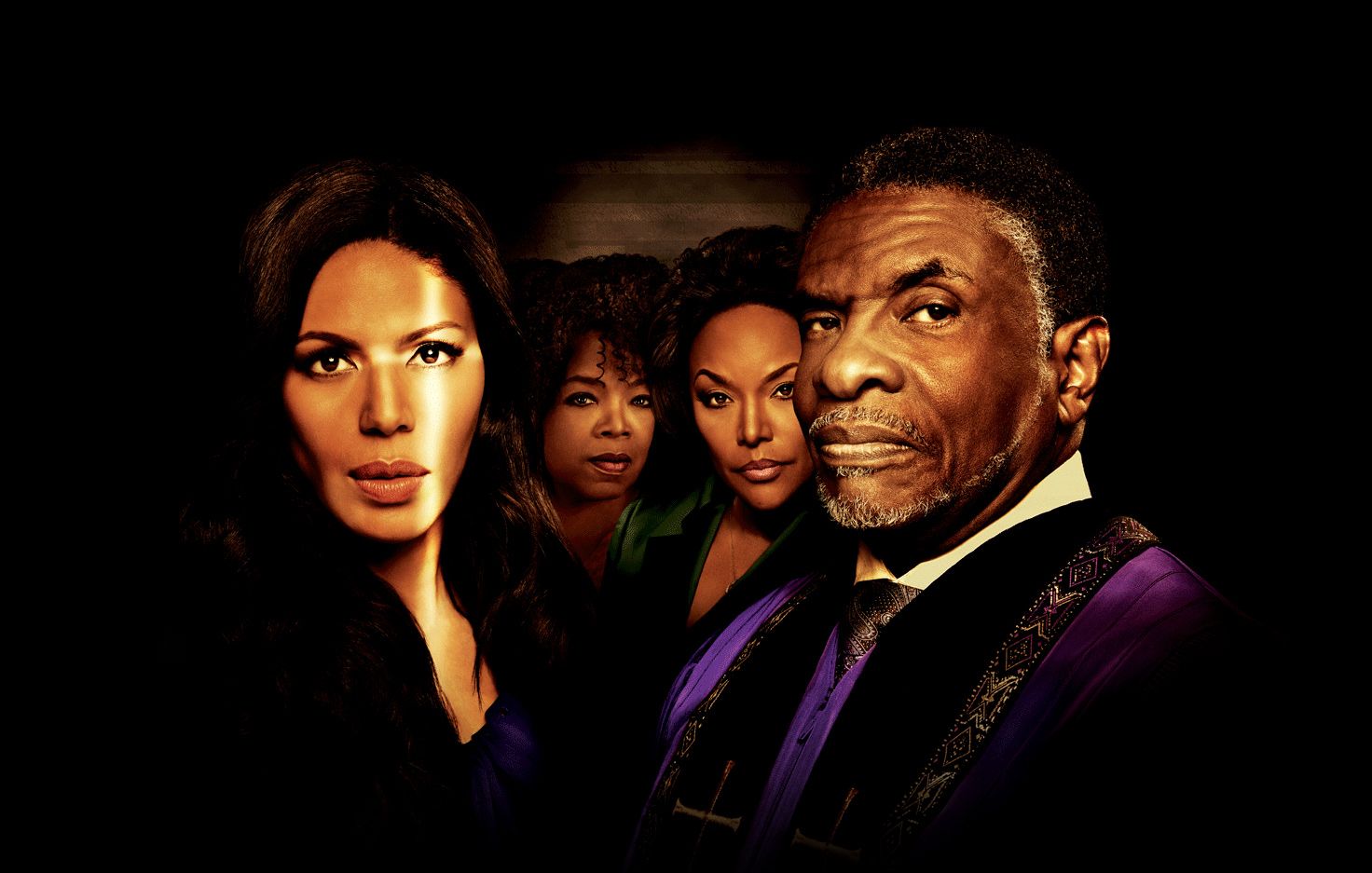
Greenleaf (the entire series) (2016-2020), which does an excellent job of highlighting some of the reactions survivors face from families and especially from their own mothers when they survive sexual violence at the hands of family members-- note that the devastating impacts these reactions can have on victims are also highlighted;

For Colored Girls (2010), which uncovers how sexual violence impacts women in the black community.  There is a triggering scene within it as well, however most of the focus is on the response of the victim.

Meanwhile, I want to note that several (in fact sadly most) films and television series get it wrong when they feature sexual violence, as sexual abuse is often showcased to arouse the audience and/or dismisses the victim's experience.  This perpetuates rape culture by pandering to the male gaze, and with it, the idea that women are sexual objects:

Game of Thrones (2011-2019), I understand I may get flamed, but boy, did they get it wrong-- I couldn't sit through all of the hyper sexualized rape scenes that were clearly showcased to arouse audience members.  It really bothers me when rape scenes are eroticized.

The General's Daughter (1999), as while focus is placed on the potential impacts of sexual violence, particularly in the military, the rape scene they show and describe is to an extent sexualized, which is not okay.  Rape isn't sexy nor is it largely a result of sexual desire.  It is a form of violence fueled by a hatred of women (or others), which has been described by multiple survivors (including myself, even prior to learning I was not alone in this) as emotional murder.  Any time a rape scene is made sexy, it is getting the issue wrong and perpetuating rape culture.  Show the aftermath; people get it.  If the scene must be shown, focus on the pain, fear or eventual detachment and dissociation on the victim's face, but never on her breasts or body.  The point is to show how grotesque rape is, not to appeal to a male gaze or arouse audience members and thus advertise and further perpetrate rape culture.

Further, while it was still very much legal at the time, the way marital rape was glossed over as if it was warranted in Gone with the Wind (1939) (and even worse, that earned Rhett respect the next morning) is also wildly inappropriate.  Yet this film remains a popular "classic," with Rhett being depicted as a lovable sweetheart.


This list can go on, so we'll stop here (but feel free to comment with your own preferences and/or list of films to avoid and/or advocate against).

In the meantime, I'll end with sharing my current watch list: 


House of Cards (2013-2018), as in this list (interestingly provided on Teen Vogue's site), it is noted that a female protagonist is a survivor and that her dissociation is explored-- something I appreciate which may also help loved ones to better understand common responses to sexual violence and trauma;

The Light of the Moon (2017), which appears to focus mostly on the unacceptable reactions of others-- this may be helpful in educating folks on appropriate versus inappropriate responses to the sexual assault of someone we love-- or what support is and clearly isn't;

Image result for film watch listThe Invisible War (2012), based on this list of recommended films, which may or may not end up being useful as I aim to inform many of the college students I teach why sexual violence in the military remains such a serious issue, and vet the films I show in class-- I am hoping this one doesn't substantially trigger me but have been fearful that it may);

I am Evidence (2019), based on this same list, exploring the need to immediately test the rape kits that victims are subjected to in efforts to seek justice;

The Hunting Ground (2015), recommended in the same list.  Still, it is important to note here that while I am passionate about addressing sexual violence on college campuses, I am admittedly frustrated that much of the available research and media attention surrounding sexual violence is focused on college campuses and on Hollywood actresses, while many stories remain unexplored, untold (as more is needed to break the silence) and ultimately unaddressed.  Such stories include those of many individuals who do not make it to college (or at least not until they are much older than traditional students if they do), involving individuals of color, individuals within the LGBTQ community and individuals who are outside of the traditional college age range, such as children and yes, older adults.  I will take a look at this particular documentary because it has been recommended elsewhere and sexual violence is continuing on college campus at alarming rates but I want to note I am equally alarmed by how hidden, ignored and/or unreported other sexual violence contexts have been.  Was I raped as a college student?  Yes.  But I was violated long before that as well and before that, I was groomed for sexual violence by men in my family (including my father and godfather), who were supposed to protect me, as a little girl.  Stories like these make people even more uncomfortable however, so many survivors continue to live in silence.

Don't get me wrong-- educated young (largely white, cis, straight) women from upper and middle class homes are important, but so are several other victims.  So far more groundbreaking documentaries and films are needed (as is the support and promotion of them).

With that, I also plan to watch

All I'm Worth (2018), described here, which focuses on childhood sexual abuse;

Tapestries of Hope (2009), recommended here, on how one woman has been addressing sexual violence in Zimbabwe, as I can certainly use some inspiration (and hope) as well;

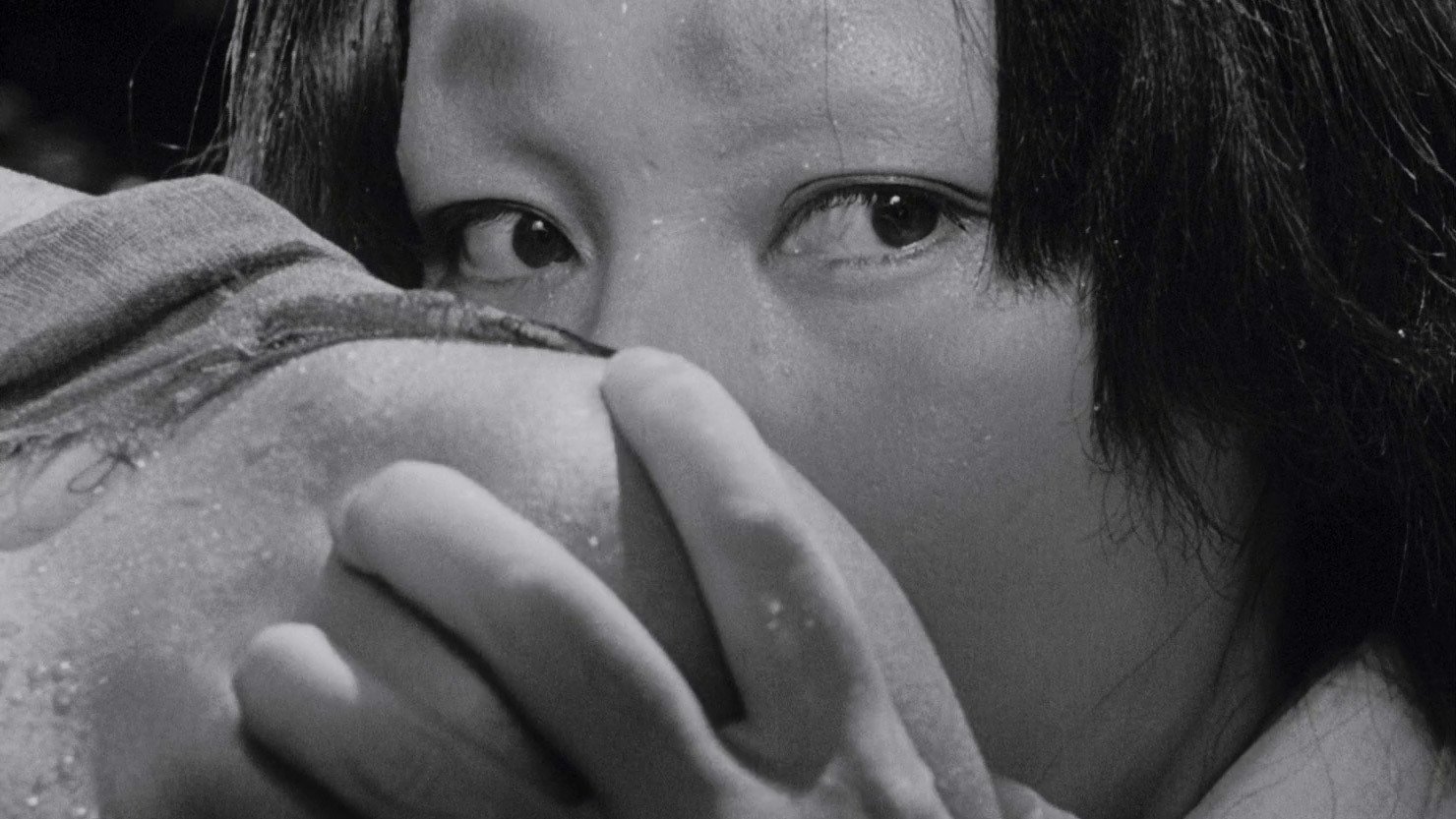
webRashomon (1950), recommended here, as this film looks interesting, is set in Japan and explores stereotypes of victim versus prostitute (as if they are mutually exclusive).  I am intrigued and hope they get it right in this one.

And although I've been avoiding it for years because I know how it ends and I know it will make me cry, Boys Don't Cry (1999), because trans folks are at a disproportionate risk of being sexually assaulted, yet their stories are often pushed aside to the margins, which is beyond unjust.

In consideration of this, to become a better advocate and source of support for my trans friends, I also plan to watch Trans in America, a three part short film series which touches on this issue within the US as well.

By the way, for those of you who are saddened and/or triggered upon reading this list, know that help is available.  You are not alone.  The following resources may be especially useful as well:


Image result for for support
Darkness to Light (Crisis intervention and referral for kids or individuals who are impacted by child sex abuse-- hotline calls are directly linked with a local center). Helpline: 866.FOR.LIGHT (367.5444)

StopitNow (information for child and teen survivors as well as their loved ones, including family; offender treatment information and signs to watch out for are offered as well) Hotline: 888-PREVENT (773.8368)

Cyber Tipline (a tipline offered by the National Center for Missing and Exploited Children; use it to communicate information to authorities on child pornography or child sex trafficking). Hotline: 800.THE.LOST (843.5678)

The Anti-Violence Project (for my LGBTQ friends)
Hotline 212-714-1124; Bilingual 24/7

FORGE (for transgender and gender nonconforming survivors), noting that local referrals are offered

Polaris Project (for victims of sexual exploitation, survivors and advocates)

Safe Helpline (offered by the Department of Defense, DoD to address sexual violence in the military, noting help is confidential, anonymous, secure, and provided worldwide); Hotline: 877.995.5247

Deaf Abused Women’s Network (DAWN) (for survivors with disabilities);Video Phone: 202.559.5366

End Rape on Campus (for help with addressing rape on college campuses)

1in6 and MaleSurvivor.org (for male victims and survivors as well as for those seeking information in this area)

*Note that this and more appropriate resources are generously provided by the Rape, Abuse & Incest National Network (RAINN) by the way, which can be accessed here and through 1-800-656-HOPE (4673).  Consider directly supporting them or eliciting support through social media as well, as this is a truly awesome organization and resource for survivors and their loved ones.

Sending love, support and wishes for peace and recovery until then. 

xoxox Mia 

(and while Mia Storia is an obvious pseudonym to highlight that I could be any woman as well as to protect myself, as I may not be supported by my future employers in my line of work, Mia is short for Micha, a common moniker derived from my own name ๐Ÿ‘ฉ๐Ÿ’ช๐Ÿ’š๐Ÿ’™๐Ÿ’œ๐Ÿ™Œ)


Tuesday, April 9, 2019

Mansplaining

Mansplaining 

(And yep, I'm liberal but it's never okay to call a woman a 'liberal bitch')


Mansplaining.  If you're a woman and/or a feminist, you've long known it's a thing.  If you have trouble with women, chances are you think it's more fake news, or perhaps a word conjured up by whiny fem-nazis who can't handle the truth.  The men who are in charge of defining 'mansplaining' at Urban Dictionary certainly seem to feel this way, (total shocker, eh?)  And I suppose it would be convenient for women to stop complaining about or even acknowledging the ways they are routinely disrespected due to societal and/or individual sexism (yet another concept conjured up by angry feminists according to men who have trouble with women).  

But sometimes enough is enough.  Especially after one is habitually called to redirect numerous male students, including some who are failing in my classes yet think (and outwardly assert) they know more about a field I have two degrees in (soon to include a PhD); after being ordered to "smile" by strange men who have no idea what kind of life or day I have survived; worrying about repeated sexual violence everyday I live and breathe and/or continued workplace sexual harassment; after countless interruptions from strange men in public; and after even finding one using my car as his desk-- with his papers and elbows spread out as he talked on his cell phone while I waited for him to get off of my car so I could drive home from the library.  We live in a sexist culture-- it cannot be denied.  And what is worse is that it often still is somehow by multiple clueless men.  (And sure, not all men are inadvertently sexist, but many-- and I mean many, if not most, are).

Yes, enough is enough sometimes.  Before we find ways to cope and face it again the following day, some days, we struggle to find patience with the sexism we're up against-- both intentional and unwitting, both low key and blatant.  And for me, today is one of those days.  So I'm using my blog as a means of self-care and online community education.  

In response to a question asked by a man I deeply respect today, I described the stress involved with preparing for the job market in my field-- noting I learned it is becoming a regular (and acceptable) practice to video tape job talks (or interviews with whole departments) and to post the job talk on Youtube.  Discussing with my colleagues reasonably caused many of us who are entering the tenure-track job market soon to be anxious-- can you imagine interviewing in front of 20-50 research experts and knowing you will be filmed, and that the film could end up on Youtube?  In response, a man I admire and respect recommended that if I am told my interviews will be video taped, I "just need to walk out of the room" and in turn, away from the job opportunity.  

This may sound like good advice to some-- before considering that after applying to 50 top tier universities, most people in my field only get about 20 interviews and of those, most candidates are considered fortunate to go on three campus visits (or nearly non-stop two to three day interviews, the most important element of which is a high stakes job talk, which again, may be videotaped).  And it is difficult to secure a job even after making it to the final campus visit round.  My field is also fairly small-- academics within it typically know or have heard of each other.  Walking out of a job talk because I did not want to be videotaped would be career suicide in my field.  That is, after spending ten or more years in college-- to go on this very job talk he was instructing me to ungratefully and unapologetically walk away from.  Perhaps men do this.  I would not know-- I have no experience living as a man (and would never advise them as if I did).

While this man is not in my field of work and has never competed in a similar job market, he is mostly aware of everything I have noted above  Further, I did not ask what I should do; I did not need him to fix or solve my problem.  I am not a damsel in distress.  I was just venting about learning my job talks may be videotaped in response to a question he asked.  Yet he felt the need to not only make an almost laughably unhelpful recommendation but to respond that he didn't care, I should still walk out when I reminded him of how competitive my line of work is.  Yet again, he has no experience in this area.  So with enough being enough, I sarcastically "thanked" him for providing helpful recommendations he was asked (and qualified) to make.  Offended and with what seemed to be a wounded ego, he walked away.

While I'm not proud of the way I chose to respond (and will be kinder in the future), I am not apologetic for the message.  Even in our personal lives, women are frequently mansplained to and when men are called on this, they state or suggest we are the ones who are out of line for not appreciating unsolicited advice and/or explanations on information we know (often times quite a bit) more about.  Yet when other men are subjected to mansplaining, they often respond in a similar manner.  In most cases, they point out they know better.  Still, when women do this, we are out of line.  Some men suggest we are even "bitches" or worse for asserting ourselves-- even after years of enduring mansplaining

A former self-defense instructor once told me that if we are confused as to whether something is sexist, we just need to reverse the scenario and if it seems absurd, it is due to the double standards we are up against.  For example, if a man explained he was a victim of a violent crime and in response, he was routinely asked what he was wearing, what he had to drink and several other questions suggesting he is to blame for the violence he endured, that would not be acceptable in our society.  Yet men notoriously do this (and sadly even other women do this) to women due to standing social norms-- which are sexist.  And today in particular, it bothers me that even a man I deeply respect cannot see the ways he is influenced by longstanding sexism-- and he is a feminist and is much more informed than most.  He also has children he will need to be a good role model for as they grow older.

In any case I appreciate Kim Goodwin's user-friendly mansplaining chart (shown above; which I think several men should have handy for reference).  Sadly when I tried to locate this again to include in this post, I encountered the following gem as well:

This sexist meme made me think of a man I am loosely related to (and attempt to dodge during the holidays), who posted (on Facebook) "That bitch got what she deserved" when Clinton lost the 2016 election.  Sadly, this man is a father of two incredibly perceptive and growing little girls and openly calling a woman a bitch rarely exists as a sole issue with sexism.  Not surprisingly, this man cheated on his now wife, and years later complained about her being on "shark week" to her father and brother (and has since made even more disparaging remarks about her in front of multiple family members).  He also believed he should be immune to changing diapers because he has a penis and thus refused to change the diapers of his three children for several years.  This makes me wonder  what kind of men his girls may date or end up with (should they be into men).  

In addition, I noticed Kim Goodwin was trolled after posting her mansplaining chart by a man who mainsplained mansplaining to her (captured here).  (It sounds ridiculous because it is). I stumbled on this entertaining article posted in Bustle on subtle forms of mansplaining as well (which may also prove useful to folks who doubt its existence or the credibility of women who are reasonably bothered by mansplaining in their daily lives).  

Still when I found a short review of Sarah Cooper's satirical new book on non-threatening approaches to leadership specifically for women by Tara O'Brien as well, I realized I employ many of the passive strategies for communication that are (again satirically) depicted as optimal for women in the workplace, which was not a joking matter in my own life.  I state answers or directives as questions and sandwich nearly all criticism for example. So this year, I am even more dedicated to no longer being a people/ man pleaser in favor of not allowing my voice to be drowned out by men (or any human beings) who assume to be experts on my life and/or topics that fall under my wheelhouse.  

This may get me "in trouble," as it did with a man I respect but I noticed in my student evaluations (aside from more optimal adjectives such as 'dynamic,' 'inspirational,' 'eloquent,' 'compassionate,' 'respected,' 'knowledgeable,' and 'engaging'), I am commonly described as "nice."  And I'm fine with this if by "nice," they mean "kind" (another word students often use to describe me).  But if by "nice," they mean the "good girl" brand of "nice" most of us are taught to be (which often means 'deferential' and suggests silence and not causing waves when we are disrespected or even worse-- physically, sexually or emotionally hurt), then I am not for it.  A new girl is in town-- one my sexist distant family members (and several other men) may even consider a bitch.  And as long as this means I'm taking care of and standing up for myself-- especially in front of my children-- I'm okay with that.


Saturday, November 24, 2018

The Importance of Self-Care

File:TaraStilesSteveShaw.jpg

I cannot keep track of how many times I have told former clients and students to practice self-care, as it is essential-- particularly in the middle of a busy semester and/or during other busy and/or triggering times in life.  Some of my personal favorites involve crossfit, yoga, living room dance parties-- with or without people (sometimes the best dances take place by myself), Wii Fit, Netflix, Amazon Prime, writing poetry, journaling, making art, making jewelry, prayer, meditation, listening to music that reflects how I am feeling (which is ironically effective), and discovering new parks, spaces and activities.  In addition, I have put together a short list of some of my favorite tips and resources for self-care below:

General self-care tips and resources:

https://www.rainn.org/articles/self-care-after-trauma

https://www.nsvrc.org/blogs/complexities-self-care-after-sexual-assault

For when the news is triggering (which seems to be often lately):

http://gomag.com/article/self-care-tips-for-sexual-assault-survivors-when-you-cant-escape-the-news/

https://www.talkspace.com/blog/2017/10/7-self-care-tips-for-sexual-assault-survivors/

https://www.nytimes.com/2018/09/28/style/self-care-sexual-assault-survivor-guide.html

When suicidal thoughts arise:

https://www.rainn.org/effects-sexual-violence


For loved ones:

https://www.nsvrc.org/blogs/what-puts-survivors-increased-risk-suicide-and-how-help

What Not To Say to Sexual Violence Survivors (And What Should be Said Instead)

Image result for offensive to rape

In her guest post on Sarah Bessey's amazing blog, 21 Things that Shouldn't be Said to Sexual Abuse Victims, Mary DeMuth (2014) has taken a time to outline in clear and simple terms an extensive list of things that folks should avoid saying to sexual violence survivors.  I really appreciate her post, particularly as I think I have heard them all.  Her list include the following:

"One. That was so long ago, why can’t you just get over it?" (A past favorite in my family-- thanks for all of the empathy, by the way);

"Two. Are you sure it happened?" (Um yes-- but also a past favorite of family members and even close friends in the past-- I still do not entirely understand the logic behind this one-- no, I did not mistake this for something else or create new fun memories in my head, but thank you for your genuine concern);

"Three. If you talk about it so much, you’ll never heal." (aka, please stop talking about it, I can't handle hearing about it-- sorry, mom, but it has been much harder for me to live than it has been for you to hear about-- and you are a part of what happened to me, not merely by choosing the man who first raped me as your spouse, but also by not listening, empathizing or teaching me to believe in or stand up for myself);

"Four... What doesn’t kill you makes you stronger." (I believe this one is meant to be a compliment-- yet it's not; it is rationalizing what happened and trying to feel more comfortable with it while asking the victim or survivor-- or how they choose to identify-- as well);

"Five. I could never go through what you went through." (Cool-- why is it that this turns back to you, however?  You can simply call a person strong without making them feel unrelatable and alone);

"Six. That perpetrator must live with such awful regret." (That would be nice, wouldn't it?  I would also like a unicorn for Christmas this year, but I'm not holding my breath);

"Seven. That’s how men act. It’s normal." (Wasn't this what people said to excuse Kavanaugh as well?  Yikes.  While I had my doubts early on with no way of knowing any different and while sexual violence is more common than most people realize, I learned this is not normal at all);

"Eight. So and so forgave her abuser; it was easy." (My mom likes this one as well-- I also think some people have a different understanding of what forgiveness looks like than I do-- forgiveness does not mean inviting toxic people back into your life-- it means no longer hating them or wishing them any harm in general-- it can and often does involve praying for them or internally sending them well wishes when we think of them-- but you can still feel upset about what happened and what could and perhaps should have been instead-- not being harmed by them; in any case, it is from a lofty place that people think they have the right to drop hints about forgiving one's own rapist/s);

"Nine. It’s just sex." (Ugh... if only this were true, my life would be so much easier-- it was repeated emotional torture and what felt like emotional murder over and over again as well; take a look at how sexual violence impacts folks in the long term for further details on this);

"Ten. But was it full sexual abuse? He just leered? That’s it?" (I can't dignify this with even an internal response);

"Eleven. Was the perpetrator drunk? Were you?" (I smell victim blame and efforts to normalize sexual violence here);

"Twelve. Well, what were you wearing?" (this one is among the worst in my book-- I was wearing a sweater with a button down shirt underneath it and jeans during one of the most horrific times I was raped, by the way); but I digress-- DeMuth continues:

"Thirteen. Did you flirt? What did you expect?" (Hmm, not to get raped, as much as anyone else would expect); 

"Fourteen. Why didn’t you tell me before?" (One of my infamous responses: 'well, mom, because you didn't believe me nearly twenty years later so I strongly doubt you would have believed me then');

"Fifteen. Hmmm, but you look normal." (I'm sorry you do not see me as 'normal'-- I am incredibly strong if that is what you mean-- but not 'abnormal');

"Sixteen. Just stop thinking about it." (my mom used to use this one often, but has recently stopped after several requests over the years-- in short, I can't; it would be nice, but I can't-- please read up on PTSD sometime and also please stop asking me to make you feel more comfortable because you no longer want to hear about it-- this sends the message that you don't care);

"Seventeen. It could have been worse. (Insert worse sexual abuse story here)." (One upping and downplaying the experiences of others is never helpful-- and I knew this long before becoming a therapist, so I'm pretty sure this is common knowledge);

"Eighteen. Oh, I understand totally. (No, you don’t)." (I heard this one from a man who was completely out of touch with the situation-- and despised him for being so arrogant, dismissive and utterly incorrect);

"Nineteen. You sure you didn’t make this up to get attention?" (Wow-- and yep, I'm pretty sure I didn't make this up-- please refer to my response to number two on this list for further details);

"Twenty. Well, why didn’t you (insert thing you should have done here)?" (Mom loved this one as well for several years-- I don't know-- would you ask a Holocaust victim the same thing?  I would hope not, because that would be implying they are to blame, which is unspeakably painful, unfair and unhelpful) and

"Twenty-One. This was part of God’s plan, so you’ll have to make your peace with it" (DeMuth, 2014) (which is also awful-- people should never think it is their place to tell anyone to make peace with anything they themselves did not survive and thus do not fully understand).

Though a full list could never be fully covered, as new awful and unexpected remarks continue to come up as time moves forward, I would also add to DeMuth's list:

Twenty-Two. [Laughter] "I cannot believe someone could be raped so many times" (Yes, this came from someone I thought was a close friend-- and was devastated for years after);

Twenty-Three. "I wish you wouldn't talk about it-- it makes me feel uncomfortable/ hurts too much to hear about this" (Otherwise known as several items listed above stated in a more direct manner, which I suppose I should appreciate, but I did not-- if my lived experience makes my mother or someone who claims to be incredibly close to and supportive of me uncomfortable, that is an issue they need to process-- not me);

Twenty-Four. "Where were you?" (A variation of 'what were you wearing?' aka 'please tell me it couldn't happen to me too);

Twenty-Five. "I still think he is going to Heaven" (Good for you-- please keep this to yourself-- even if I don't want him 'to go to Hell,' I don't need to hear about this; it isn't helpful at all);

Twenty-Six. "Well he raped me too and I still see him" (This is especially unacceptable from mothers toward their children-- again, thanks, Mom);

Twenty-Seven. "Have you been tested for diseases?" (Yep, but thanks for making me feel utterly disgusting on top of traumatized and damned-- could we be just a little more mindful and delicate?);

Twenty-Eight. "How long ago was it?" (This implies we should not still be upset, along with several other items on this list, which is both apathetic and again, unhelpful);

Twenty-Nine. "Can you think of something good?" (A thinly veiled variation of why can't you just get over it/ stop thinking about it-- yes, I can-- but I have a right to my feelings as well);

Thirty. "At least you're still alive." (Thanks again for the empathy-- I acknowledge this more than the people who said this realize however-- again, not helpful);

Thirty-One. "I know it will hurt like hell, but I need you to share the details of what happened to you so we can understand." (These words still feel like daggers.  Yes, yes-- it did and does hurt, more than words can capture but no, unless you are a detective or lawyer seeking to help me or to defend the men who hurt me in court, I do not need to share details with you-- this is an incredibly private and painful thing to ask from a person-- especially family-- sadly I did cave into this request years ago to no avail and I wish I had not had to relive my story for the sake of appeasing them);

Thirty-Two. "But he got saved." (Okay.  This does not change what he did however and it is inappropriate to ask a survivor to see their abuser for the sake of making others feel more comfortable);

Thirty-Three. [Any sexual abuse joke or remark denigrating survivors who have come forward, like Dr. Ford]. (I would hope an explanation is not needed for this, but in case one is, it feels personal and like an attack on us).

Again, there is more-- a fully complete list would be much longer, but these are some of the tops for me.  A special thanks again to Sarah Bessey for sharing her guest post, 21 Things that Shouldn't be Said to Sexual Abuse Victims, and to Mary DeMuth (2014) for starting this list, as several survivors can benefit through feeling validated and those who wish to support (or at least not hurt or upset) survivors can benefit as well.

What should we say or do?

My amazing doula once noted that she assumes all of the women she serves have survived sexual abuse, as child sexual abuse alone impacts one in four females and one in six males before they reach adulthood (National Sexual Violence Resource Center, NSVRC, 2018) and this makes sexual violence even more likely in adulthood (NSVRC, 2012).  How would one treat a woman who has survived sexual abuse differently?  With even more mindfulness, respect and empathy, one would imagine, which is a good practice overall.  Heading age-old advice, we should treat people how we would want to be treated if roles were reversed and we were walking in their shoes-- would we want to be dismissed or told to get over it?  Would we want to be forced to see our abuser for holidays and special events to make others feel more comfortable?  Would we want to hear that someone "totally gets it" when they do not?  Probably not.


A list of responses I recommend (if they truly reflect support):


One. "Thank you for sharing your story.  It is powerful and I am honored."

Two. "It was incredibly brave of you to share this and I really admire that."

Three. "I'm so sorry you have had to endure that.  It is truly unacceptable and awful."

Four. "No one should have to go through this alone.  Please know I believe you and I am here for you."

Five. "You have my full support.  I am with you and not with him.  Please let me know if there are ways I can better help and support you."

Six. "I love you."

Seven. "Sexual violence is a very serious problem that society needs to work harder to address.  Your story has helped me want to do this-- survivors like yourself should be supported."

Eight. "No one deserves what you have had to endure."

Nine. [When normal responses to trauma come up]:"It is okay and perfectly normal to feel this way.  You are reacting normally to an abnormal situation.  I imagine I would be angry/hurt/disappointed/furious/sad/devastated/etc. as well."

Ten. "You are an incredible woman/human being/ man."

Eleven. "I know you are a courageous, badass force to be reckoned with, but I am here for you if you just want to cry or talk sometime.  I imagine that even badass forces to be reckoned with need a shoulder to cry on sometime."

Twelve. "I am thankful you are still here in spite of all that you have survived.  While I know I cannot fully appreciate how much you have suffered, I know this could not have been easy."

Thirteen: "While I do not understand what it is like to have survived these experiences, I understand this can be traumatic.  I hope you have not thought of hurting yourself (although this is a normal response to trauma that would be understandable).  Please know I am here for you, [as are these community resources, for example].  Is this something you struggle with and would like to talk about?  Because if it is, I want to help you.  Now or anytime you want to talk."

If you or someone you love is experiencing a flashback, a cold glass of water can also help, as can reminding yourself or someone you love that the worst is over, remembering your present day and location, breathing, changing locations, and/or picturing your memories as a television that you can change the channel on with a remote.  (I still like a cold glass of water myself).

In the meantime, especially to all of you amazing survivors out there, please feel free to add your own recommendations to these lists!

References

DeMuth (2014). 21 things that shouldn't be said to sexual abuse victims. Retrieved November 24, 2018 from http://sarahbessey.com/21-things-shouldnt-said-sexual-abuse-victims-guest-post-mary-demuth/

National Sexual Violence Resource Center (2012). Sexual revictimization: Research brief. Retrieved November 24, 2018 from https://www.nsvrc.org/sites/default/files/2012-06/publications_NSVRC_ResearchBrief_Sexual-Revictimization.pdf

National Sexual Violence Resource Center (2018). Get statistics: Sexual assault in the United States. Retrieved November 24, 2018 from https://www.nsvrc.org/statistics

Friday, November 23, 2018

Motivation-Based Resources

Image result for work for it

For those of you who are academics and/or struggle with motivation toward seemingly tedious deadlines like I do (particularly when triggered), the following articles may help:

https://finishyourthesis.com/motivation-graduate-school/

https://medium.com/the-mission/how-to-create-insane-change-in-your-life-according-to-science-bb3cddd1022


A Snapshot of Progress

Image result for progress dysfunctional family

My story just four years ago was bleak.  I made this video specifically for my mother and brother to to communicate with them from afar in a meaningful way.  Videos, images and music are capable of reaching people in ways simple words cannot at times.  I wanted my brother to stop allowing his (then four year old) son to spend time with my father and I wanted my mother to stop asking me to agree to be in spaces where I may encounter my father and further pain and dysfunction.  Overall, both of these things were actualized in time (along with further growth I had not even specifically requested back then).  It may have taken years but meaningful changes were realized.  I also left the video I made on Youtube for other survivors as well as for folks who are trying to gain a better understanding sexual violence and how to support the survivors in their lives.

I do not plan to quit my day jobs anytime soon, but all in all, I am proud of myself for breaking the silence-- if even in a brief shoddy video intended for a very specific audience.  Breaking the silence has never been easy but it can be very effective.  So please remember that while change is uncomfortable and even painful and while its pace can seem to be insufferably slow, it is possible.  This year's Thanksgiving may have been far from perfect, but life with my family is much healthier than I had ever imagined it could be at one time (and knowledge and communication are still on the rise, so stay tuned).

Four years ago, not long after posting this video, I ended up spending Thanksgiving away from my mom and brother, who were still processing my message.  It hurt more than words can express.  But if I never spoke up, change would not have been likely.  So don't give up.  Progress takes time.  And if you do not want to wait for your family to come around (as they may not), that is okay too.  At one point, I wrote them all off, assuming they were not going to come around and I spent several months without them (and I may have been away longer if they never changed-- I will never know now).  But either way, I do not regret speaking up, speaking out, setting and maintaining boundaries and reasonably asking for more from them.  I had also hoped to find a similar story back then, so my hope for you is that this helps.

Thursday, November 22, 2018

Touchy About Mom: My Thanksgiving 2018


I love my mother-- I do.  And what is not to love?  She is a sunny, kind, well-intentioned Italian woman who shows her love through cooking for us and more than that, she takes parenting and grandparenting seriously.  But she likes to hug me and play with my hair and touch my arm and touch my children when I am holding them and stand too close.  This year, she also made a habit of looking over my shoulder and asking about the people on my Facebook page.  And this, along with some other things she said and did this afternoon, pushed me over the edge.

I never feel great about shrugging away from her touch but those same unassuming, nimble hands did not protect me from my father growing up.  And there were signs-- I later learned we were a textbook family consisting of a sociopathic, inappropriately hyper-sexualized, authoritarian abusive father along with a naive, demure, somewhat helpless, hyper-religous, co-dependent mother who opted to "look on the bright side" (or at least to encourage this when we had problems rather than showing empathy, thus perpetuating our silence). There was also me, the oldest child and only daughter, who earned good grades and was quiet in school while suffering from a myriad of health issues, often involving stomach pain and somatic complaints-- who developed an eating disorder by the age of 12 and acted out at home; later an honors-student-turned-drug-abuser who began skipping school and running away.  I spent years in counseling and rehab.  Meanwhile, my little brother was a judicious peacemaker.  He kept his nose clean but while he played football and other sports, he was quiet in school as well and was a sensitive little guy.  He later became a police officer so he could put domestically violent men like my father behind bars and help rape victims-- even risking his life to do so.  Meanwhile, I eventually became a mental health therapist, although I now teach social work courses at two local colleges.  We both sought justice because it was seldom present growing up.  And we became the helpers my mother needed when we were children.

I hated my father for years for what he did to my mom, my brother and especially to me.  And living in a home rampant with binary thinking, I blamed him for everything while praising and protecting my mom.  This was only natural; as a therapist, I later learned it is a common response.  But she was no angel.

The hands I often ineluctably (and in many cases indelicately) go out of my way to avoid also took me to my first gynecology appointment at the age of 15 and told me there would be no exam-- yet there was, it was painful and at her request, they checked to ensure I was still a virgin, because the issue of my sexual purity took front and center stage-- both before and long after my parents divorced.  I imagine she thought this was helpful but looking back, it was strange, misdirected and controlling.  Her efforts to ensure my sexual morality seemed overbearing, overly personal and ultimately, they were ineffective.  I resented them.

I also resented those hands for hitting me for turning the radio station in her car while also driving to church and Bible groups each Sunday.  I have nothing against true Christianity or Christians-- I am a Christian.  I do however take issue with her particular brand of worship and avoidance of accountability for her actions while holding me to task in unbearable ways on my own.  I felt suffocated, unlovable and monstrous from very early on as a result.

Before she was my mother, she was a petite and slim cheerleader who cherished her piety, her virginity and her noticeably thin physique.  Not much changed as she got older aside from losing her virginity on her wedding night to my father (who had made out with her 14 or 15 year old sister while they were dating and slept with another woman while they were engaged).  I suppose she also gained some weight and looked more "average" thin over the years.  Meanwhile, although I had not been overweight as a child, I was a size 6 in the 6th grade while she had been much smaller at my age, so she often referred to me as "big boned," compared me to a horse and later to Katarina Witt, a famous ice skater who I looked something like (whom she referred to as 'Miss Piggy on Ice' and actually snorted at because she had curves), while mom was often stick-thin.  She enjoyed rubbing this in the faces of her sisters who were overweight growing up when they bullied her.  And intentional or not, she rubbed it in my face too.  I would never be as thin as her as much as I tried-- and I did, becoming anorexic in the 6th grade.  Still, I could fit into size 10 boys shorts and for me, this was a small victory.  She also wanted to take a picture of me in my bikini at age 14 so she "had something to work toward," so in many ways, my anorexia paid off to an extent as far as my interactions with her were concerned.  But I never asked for this comparison or for the others and did not welcome the competition.  I learned years later that this was also typical in families involving child sex abuse by fathers like mine.  Between my father's remarks about my body and hers (which varied but often seemed backhanded), I just wanted to disappear.

But she blamed me for my eating disorder and became frustrated with me often once it became a problem for her.  They forced me to eat, so around the age of 15 or 16, I became bulimic-- I ate for them; then vomited what I ate.  Eventually they learned what I had been doing however-- and she became so angry with me for routinely throwing up in the trashcan or "making a mess" in the toilet.  If was due to what it had done to my body, this was not apparent.  My understanding is that she was angry that I made such a mess in the process of harming myself in this way.

There is much more context to consider, but my visit along Memory Lane seems to have been long enough for the moment.  Fast forward to today, I don't want her to touch me.  To the untrained eye and likely to her, this seems cold, uncaring and ungrateful.  But I suppose a part of my revulsion for her touching me without my consent involves my feeling that she was not there for me when I really needed her to be in several ways I truly needed her for much of my life.  The woman behind those hands asked me to remain silent (and in turn to continue to see my father, whom she had divorced, for years) to protect my brother, her favorite child.  She told me to just "go out and get raped again!" when she was frustrated before as I was leaving her house.  The woman behind those hands sat by while my abusive father gave me enemas in front of her and she could not keep herself from remarking that it was gross and she did not want to do it.  She was and is theatrical.  She also made me feel uncomfortable about my body-- and in turn, being in my own skin from a very early age.  And those hands hurt me and pried into my life in ways that were inappropriate and that caused more harm than the good she pretended to bring about.  So I don't want to be touched by her unless I initiate it or she at least obtains my consent by asking first.  And I think this is a very reasonable request, but she often disregards it-- especially during the holidays.

To add to this, whenever she sees me-- and especially during the holidays, with Thanksgiving being the worst of them, she constantly tries to make me eat.  While I no longer have a full-blown eating disorder, this triggers me and has resulted in relapses but I am now a mother and cannot afford to relapse for the sake of her comfort.  So the holidays bring up past hurts and resentment.  Then I feel guilty for not meeting her needs and for not completely forgiving her and the cycle continues.  (Thank you, years of programming).  Beyond this, much of my family has disowned me since no longer remaining silent about my father's abuse and the family that I still have includes my stepfather (who always tags along)-- a man she married who hates me and has mistreated me several times while she stood by-- so the holidays do not bring about the best in me, least of all Thanksgiving.

How about you-- what does Thanksgiving bring up for you?  If you are a survivor, please know that struggles with boundaries in dysfunctional families are real and that it is okay to work to firmly maintain them despite this.  And it is okay to be sad or angry.  Still even more important, remember to stay on top of your self-care game at this difficult time of year and to mentally prepare for discomfort ahead of time to avoid being caught off guard.  The worst that could happen in doing this is that you will be less emotional following the drama that plays out each year and at best, you may find that your family may behave better than anticipated.  Mine behaved better than expected this year, which was a somewhat nice (but hardly comforting) surprise, while I behaved like an ice queen toward my mother, which I am not proud of-- but I am working on this.  It is okay to still be in the process of working on improvement as well.  (Shouldn't we all be doing this anyway?)

Still, this year, I did a few things differently that I thought to share in case this is helpful:

1) I played raw and angry music on the way to meeting everyone (to help process my feelings and get them out before breaking bread with them).  Today, this largely involved Erykah Badu and Amanda Palmer (Runs in the Family is a favorite for this, by the way-- I also mow the grass to this song along with other angry and/or powerful tunes).

2) I cut my father off from contact years ago, which was a healthy decision but is still painful at times, so in thinking of him where ever he was having his Thanksgiving meal, I played Praying by Kesha (when I do play this, I often play it more than once and always get emotional when she notes there are some things only God can forgive; but I would rather my emotions be out than in before family gatherings).  Some of the lyrics you may appreciate from this song:
Well, you almost had me fooled
Told me that I was nothing without you
Oh, but after everything you've done
I can thank you for how strong I have become
'Cause you brought the flames and you put me through hell
I had to learn how to fight for myself
And we both know all the truth I could tell
I'll just say this is "I wish you farewell"
I hope you're somewhere prayin', prayin'
I hope your soul is changin', changin'
I hope you find your peace
Falling on your knees, prayin'...
Ah sometimes, I pray for you at night, oh
Someday, maybe you'll see the light
Whoa oh oh oh, some say, in life, you're gonna get what you give
But some things only God can forgive
3) While I really wanted to crossfit this morning (as first this particular form of exercise was about losing inches for my wedding years ago, but ended up making me feel all around stronger, more confident and it allows me to unleash my inner badass), I woke up feeling shaky and anxious and thought this may not be the best plan for this particular morning in consideration of my panic attacks and family history of heart disease, so after I was full from eating too much spaghetti, pierogis, mashed potatoes and pumpkin pie, I searched for "seated yoga" on Amazon Prime while on my couch and to my delight, several options were presented.  So instead of grabbing another glass of wine, relapsing and binging and/or purging or ruminating on the day, I stretched.  Seated yoga may have moved a bit slow for my taste but it was much better than the alternatives and it made me feel good.

4) I blogged-- I wrote to get some of this ickiness out and to share some more of my story and helpful tips with you because after scouring the internet, I found nothing on unwanted physical contact with moms who did not protect their daughters from sexual abuse.  Also, *trigger warning-- if you search for this, you may stumble upon articles on mothers sexually abusing their daughters, FYI.  If this is what you are looking for, these articles may be helpful however.

I hope this is useful as you consider ways you can take care of yourself this year and move forward.  After all, Christmas, Hanukkah and several other seasonal holidays are right around the corner.  Cheers.

Sending strength and love to all of you amazing survivors, supporters and future advocates out there,  

Mia

p.s. For those of you who love research as much as I do, check out these articles on the lasting impacts of child sex abuse-- interesting reads for this week-- especially for family members and loved ones.  You will probably find descriptions that line up with the survivor(s) in your life, which may help in offering support:

https://www.ncbi.nlm.nih.gov/pmc/articles/PMC3693773/
(p.s.s. This one is very research-y)

https://www.theatlantic.com/health/archive/2015/12/sexual-abuse-victims-obesity/420186/
(This may be more palatable for researchers and my non-researcher friends alike)

http://victimsofcrime.org/media/reporting-on-child-sexual-abuse/effects-of-csa-on-the-victim
(A bare bones snapshot for sharing with folks who do not want to read)

Another interesting read on Moms:
https://www.secasa.com.au/survivor-s-journeys/stories/why-can-t-i-get-on-with-my-life/


Tuesday, November 20, 2018

When Major Depression Sets In...  please check out the articles below!  But more importantly, please know you are not alone (and please do not forget this vitally important Suicide Prevention resource).


Feel A Depressive Episode Coming On? Here Are 10 Things You Can Do To Help Yourself
(Seriously folks-- it's articles like these that make me love Bustle).

How to Get Out of Bed When You're Depressed
(This has been my problem-- until I realized it is actually internalized anger)

...and for those of you who need or want to be angry, I didn't forget about you:

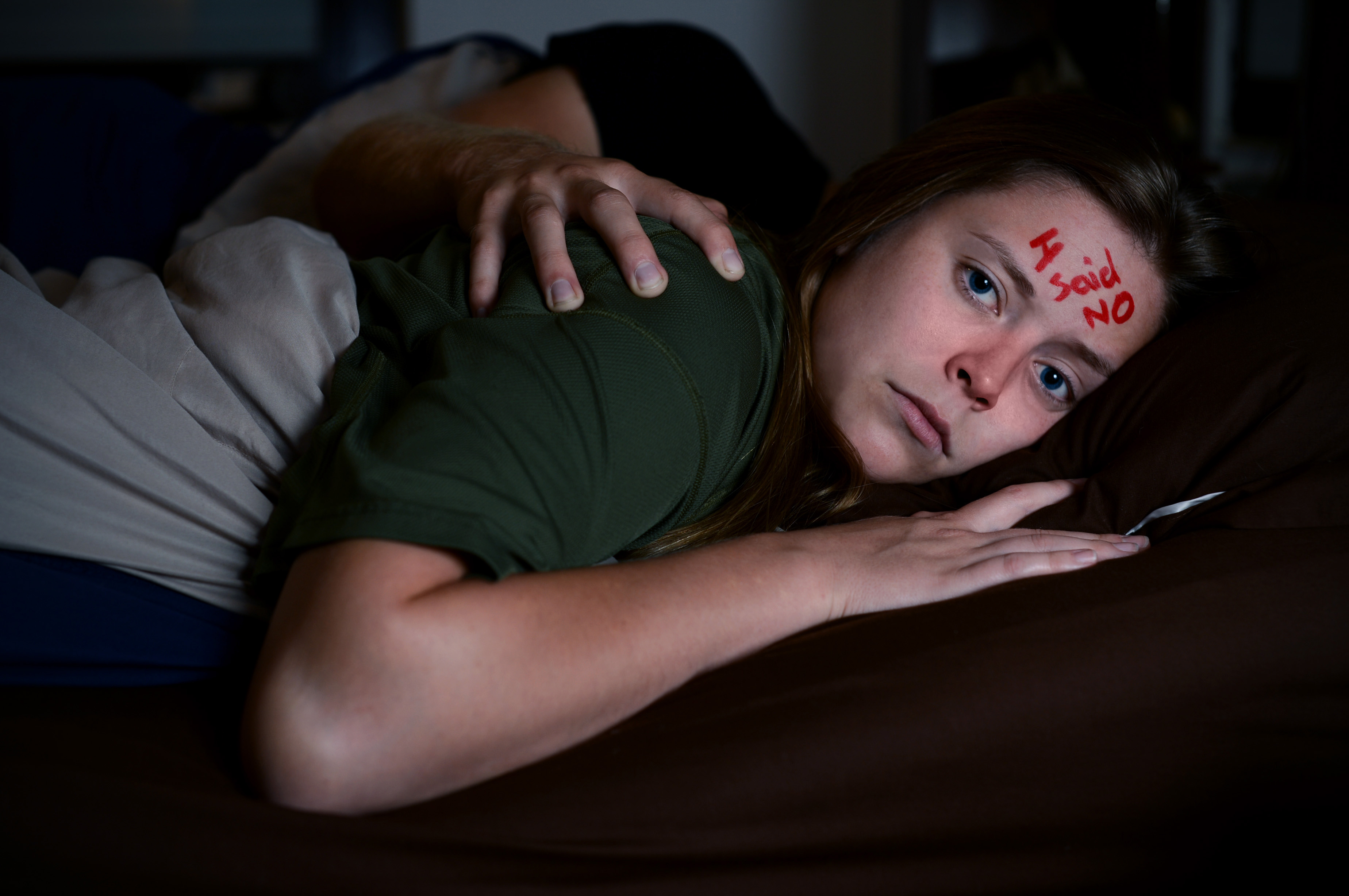
Before You Ask Why Women Don't "Just Say No," Consider This

Image result for depression sex abuse