I am Still Here (and Other Important Films on Sexual Violence)
Recently, I watched I Am Still Here, a deeply honest, clearly survivor- and research-driven yet sadly underfunded film about domestic minor sex trafficking in the United States. Someone I both respect and adore, sadly could not stomach it however, as it can be difficult to consider the sexual abuse children regularly suffer, not only in developing countries but also in "first world" nations like the US. Because I have survived sexual violence from a very young age and was sold for sex by someone I thought was a close friend as a minor, this film felt very personal however, as did their trouble with sitting with it.
I understand it is challenging to learn about the horrors survivors regularly face or have faced, but I believe this is an important aspect of offering support and working toward meaningful change to address sexual violence, particularly (but not exclusively) among minors. As such, this experience inspired a film (and show) list for other survivors and/or for loved ones as we work to continue moving forward and supporting others.
Beyond I Am Still Here (available on Amazon Prime at the time of this post), (which I recommend for all parents and for loved ones of survivors as well as for individuals who feel passionate about addressing sexual violence and trafficking or are interested in developing competence in this area), I recommend the following films and television shows (listed below).
First, especially for my fellow survivors, if you have not already, I suggest checking out:
 Sucker Punch (2011), which I would classify as therapeutic 'survivor porn,' as an incredibly resilient, creative, bad ass mama jama, and (for many of us) her familiar methods of coping, are showcased throughout this film (also Emily Browning is amazing);
Kill Bill, especially Vol. 1 (2003), see above. I heart Beatrix Kiddo, by the way. xoxox;
Jessica Jones Season 1 (2015), again, see above. If you remotely enjoy superheroes, you will enjoy watching this badass herione wipe the floor with a man who sexually abused her for years;
Tank Girl (1995), super campy and low budgeted, sure, but if you happen to appreciate this as much as I do, again, see above. Besides, who doesn't love Lori Petty?
Pulp Fiction (1994), and again, see above, noting the sexual violence victim this film is centered around is a male.
Maya Angelou and Still I Rise (2016), for those of you who appreciate real stories about survivors who made it out ontop, despite all they were up against. Note that Dr. Angelou was mute for several years of her life due to the sexual abuse she endured and she found various forms of art, including poetry, as an outlet to cope.
The Hooping Life (2014), which features a survivor who copes by learning to hula hoop, including in a home she was once sexually abused within, as she moves forward. I may have purchased a professional hula hoop after watching this short documentary. This survivor is also a proponent of hula hooping by the way, which I think is awesome.
Next, below is a list of movies and shows for survivors and loved ones that while incredibly valuable, may be particularly triggering. I still recommend them, as they remind us we are not alone and offer a means to help loved ones understand what we have lived through and may continue to face, but *survivors* may want to avoid them or to watch them knowing they may be triggered to help underscore this issue with partners and others:
Precious (2009), while I found this film especially triggering, probably because I was sexually abused by my father (who was never held criminally accountable or accountable by the majority of our family for it), this story is as inspirational as it is heart breaking;
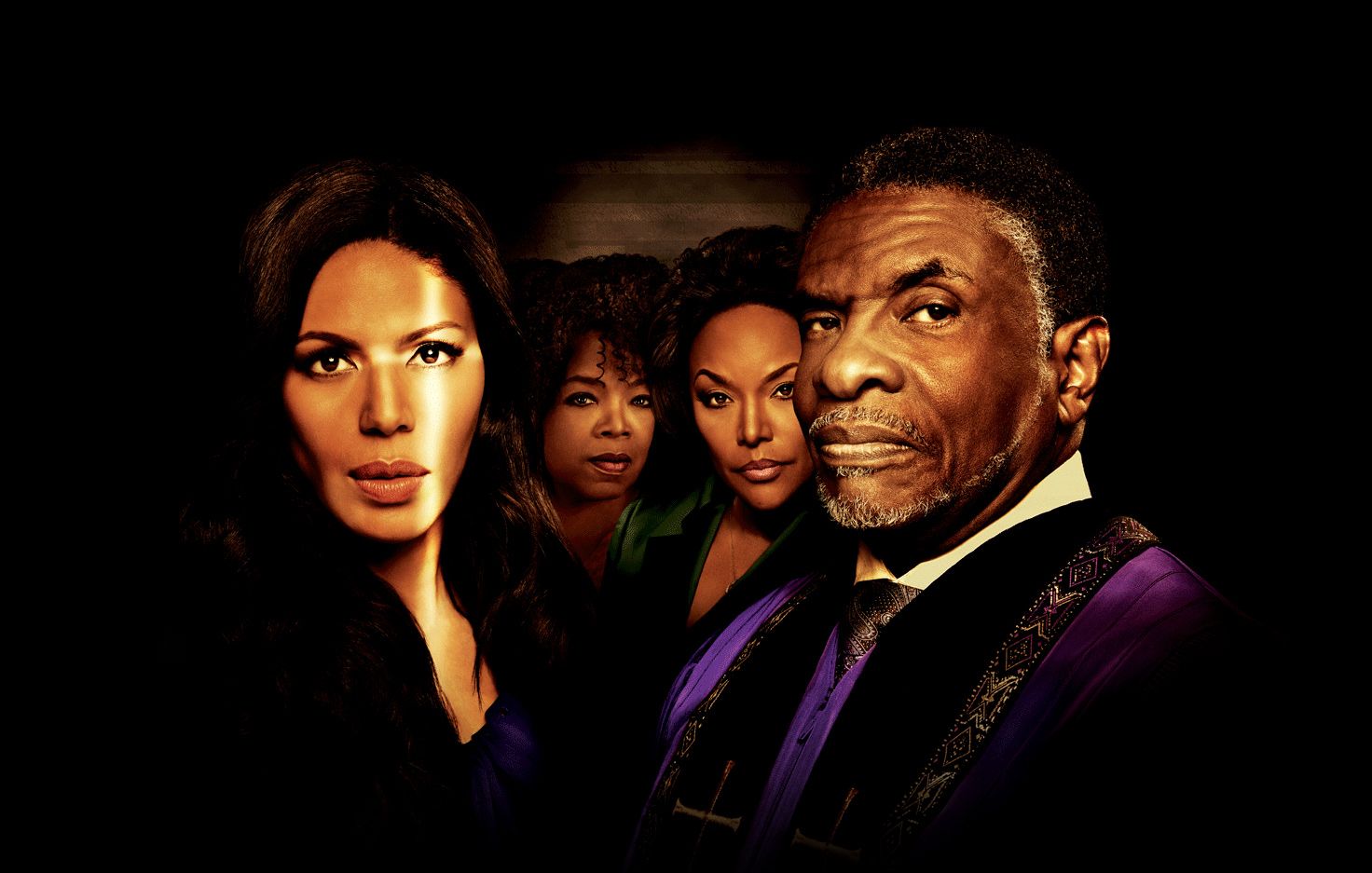
Greenleaf (the entire series) (2016-2020), which does an excellent job of highlighting some of the reactions survivors face from families and especially from their own mothers when they survive sexual violence at the hands of family members-- note that the devastating impacts these reactions can have on victims are also highlighted;
For Colored Girls (2010), which uncovers how sexual violence impacts women in the black community. There is a triggering scene within it as well, however most of the focus is on the response of the victim.
Meanwhile, I want to note that several (in fact sadly most) films and television series get it wrong when they feature sexual violence, as sexual abuse is often showcased to arouse the audience and/or dismisses the victim's experience. This perpetuates rape culture by pandering to the male gaze, and with it, the idea that women are sexual objects:
Game of Thrones (2011-2019), I understand I may get flamed, but boy, did they get it wrong-- I couldn't sit through all of the hyper sexualized rape scenes that were clearly showcased to arouse audience members. It really bothers me when rape scenes are eroticized.
The General's Daughter (1999), as while focus is placed on the potential impacts of sexual violence, particularly in the military, the rape scene they show and describe is to an extent sexualized, which is not okay. Rape isn't sexy nor is it largely a result of sexual desire. It is a form of violence fueled by a hatred of women (or others), which has been described by multiple survivors (including myself, even prior to learning I was not alone in this) as emotional murder. Any time a rape scene is made sexy, it is getting the issue wrong and perpetuating rape culture. Show the aftermath; people get it. If the scene must be shown, focus on the pain, fear or eventual detachment and dissociation on the victim's face, but never on her breasts or body. The point is to show how grotesque rape is, not to appeal to a male gaze or arouse audience members and thus advertise and further perpetrate rape culture.
Further, while it was still very much legal at the time, the way marital rape was glossed over as if it was warranted in Gone with the Wind (1939) (and even worse, that earned Rhett respect the next morning) is also wildly inappropriate. Yet this film remains a popular "classic," with Rhett being depicted as a lovable sweetheart.

This list can go on, so we'll stop here (but feel free to comment with your own preferences and/or list of films to avoid and/or advocate against).
In the meantime, I'll end with sharing my current watch list:
House of Cards (2013-2018), as in this list (interestingly provided on Teen Vogue's site), it is noted that a female protagonist is a survivor and that her dissociation is explored-- something I appreciate which may also help loved ones to better understand common responses to sexual violence and trauma;
The Light of the Moon (2017), which appears to focus mostly on the unacceptable reactions of others-- this may be helpful in educating folks on appropriate versus inappropriate responses to the sexual assault of someone we love-- or what support is and clearly isn't;
 The Invisible War (2012), based on this list of recommended films, which may or may not end up being useful as I aim to inform many of the college students I teach why sexual violence in the military remains such a serious issue, and vet the films I show in class-- I am hoping this one doesn't substantially trigger me but have been fearful that it may);
I am Evidence (2019), based on this same list, exploring the need to immediately test the rape kits that victims are subjected to in efforts to seek justice;
The Hunting Ground (2015), recommended in the same list. Still, it is important to note here that while I am passionate about addressing sexual violence on college campuses, I am admittedly frustrated that much of the available research and media attention surrounding sexual violence is focused on college campuses and on Hollywood actresses, while many stories remain unexplored, untold (as more is needed to break the silence) and ultimately unaddressed. Such stories include those of many individuals who do not make it to college (or at least not until they are much older than traditional students if they do), involving individuals of color, individuals within the LGBTQ community and individuals who are outside of the traditional college age range, such as children and yes, older adults. I will take a look at this particular documentary because it has been recommended elsewhere and sexual violence is continuing on college campus at alarming rates but I want to note I am equally alarmed by how hidden, ignored and/or unreported other sexual violence contexts have been. Was I raped as a college student? Yes. But I was violated long before that as well and before that, I was groomed for sexual violence by men in my family (including my father and godfather), who were supposed to protect me, as a little girl. Stories like these make people even more uncomfortable however, so many survivors continue to live in silence.
Don't get me wrong-- educated young (largely white, cis, straight) women from upper and middle class homes are important, but so are several other victims. So far more groundbreaking documentaries and films are needed (as is the support and promotion of them).
With that, I also plan to watch
All I'm Worth (2018), described here, which focuses on childhood sexual abuse;
Tapestries of Hope (2009), recommended here, on how one woman has been addressing sexual violence in Zimbabwe, as I can certainly use some inspiration (and hope) as well;
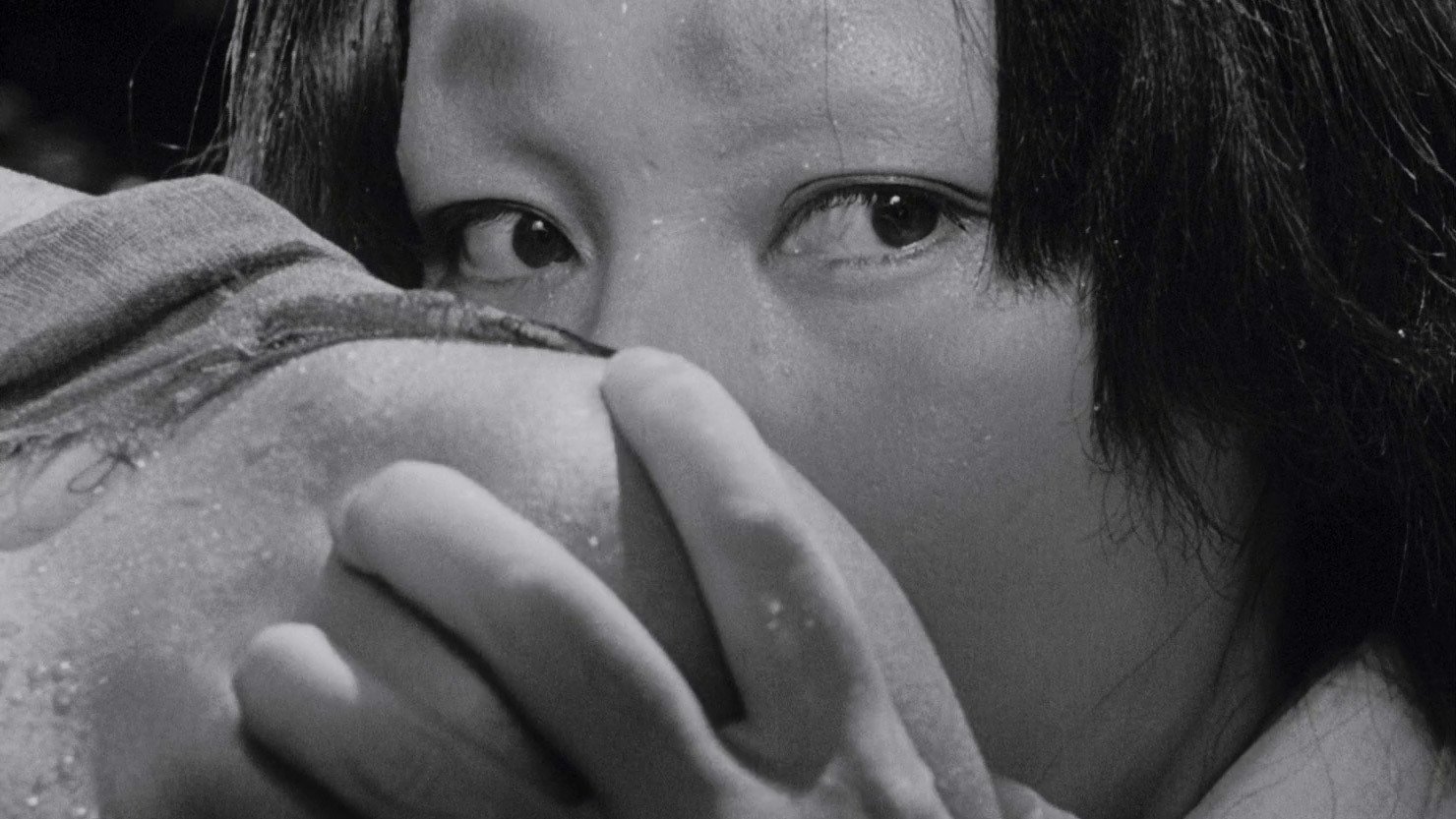 Rashomon (1950), recommended here, as this film looks interesting, is set in Japan and explores stereotypes of victim versus prostitute (as if they are mutually exclusive). I am intrigued and hope they get it right in this one.
And although I've been avoiding it for years because I know how it ends and I know it will make me cry, Boys Don't Cry (1999), because trans folks are at a disproportionate risk of being sexually assaulted, yet their stories are often pushed aside to the margins, which is beyond unjust.
In consideration of this, to become a better advocate and source of support for my trans friends, I also plan to watch Trans in America, a three part short film series which touches on this issue within the US as well.
By the way, for those of you who are saddened and/or triggered upon reading this list, know that help is available. You are not alone. The following resources may be especially useful as well:

StopitNow (information for child and teen survivors as well as their loved ones, including family; offender treatment information and signs to watch out for are offered as well) Hotline: 888-PREVENT (773.8368)
Cyber Tipline (a tipline offered by the National Center for Missing and Exploited Children; use it to communicate information to authorities on child pornography or child sex trafficking). Hotline: 800.THE.LOST (843.5678)
The Anti-Violence Project (for my LGBTQ friends)
Hotline 212-714-1124; Bilingual 24/7
FORGE (for transgender and gender nonconforming survivors), noting that local referrals are offered
Polaris Project (for victims of sexual exploitation, survivors and advocates)
Safe Helpline (offered by the Department of Defense, DoD to address sexual violence in the military, noting help is confidential, anonymous, secure, and provided worldwide); Hotline: 877.995.5247
Deaf Abused Women’s Network (DAWN) (for survivors with disabilities);Video Phone: 202.559.5366
End Rape on Campus (for help with addressing rape on college campuses)
1in6 and MaleSurvivor.org (for male victims and survivors as well as for those seeking information in this area)
*Note that this and more appropriate resources are generously provided by the Rape, Abuse & Incest National Network (RAINN) by the way, which can be accessed here and through 1-800-656-HOPE (4673). Consider directly supporting them or eliciting support through social media as well, as this is a truly awesome organization and resource for survivors and their loved ones.
Sending love, support and wishes for peace and recovery until then.
xoxox Mia
(and while Mia Storia is an obvious pseudonym to highlight that I could be any woman as well as to protect myself, as I may not be supported by my future employers in my line of work, Mia is short for Micha, a common moniker derived from my own name 👩💪💚💙💜🙌)
